The Ultimate Guide to Preventing Plumbing Emergencies Year-Round
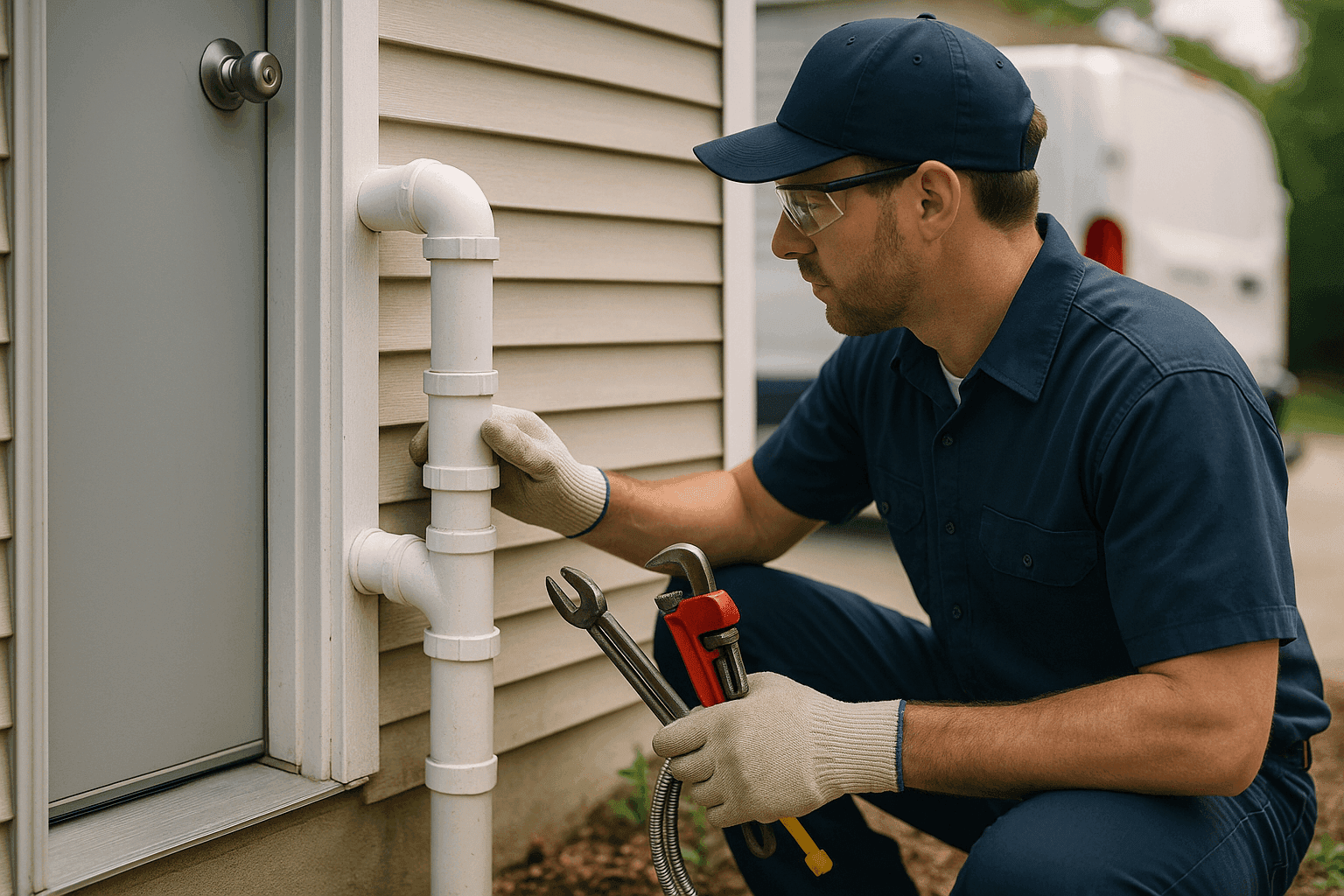
When plumbing goes wrong, it rarely happens at a convenient time. A burst pipe at midnight. A toilet overflowing just before guests arrive. Water pooling where you least expect it. These moments can turn your day upside down, leaving you scrambling for towels and answers.
At Curtis Key Plumbing, we know how stressful a plumbing emergency can be. But with the right knowledge and a few practical habits, you can keep most disasters at bay. Let’s walk through the essential steps to protect your home or business year-round.
Understanding Common Plumbing Emergencies 🚨
Plumbing emergencies come in all shapes and sizes, but a few culprits show up time and again. Recognizing the warning signs early is like spotting storm clouds before the downpour.
Most common emergencies include:
- Burst or frozen pipes
- Major leaks under sinks or behind walls
- Sewer backups and overflowing toilets
- Sudden loss of water pressure
- Water heater failures or leaks
- Sump pump malfunctions during heavy rain
Each of these can cause serious damage fast. Water doesn’t wait. It finds the lowest point and seeps into every crack—ruining floors, walls, and sometimes even your peace of mind.
Why do these emergencies happen?
Often, it’s a mix of wear and tear, seasonal changes, and a little bad luck. But the good news? Most plumbing emergencies can be prevented with regular checks and early action.
Seasonal Maintenance Tips for Every Home and Business
Your plumbing system works hard all year. Like a car, it needs regular tune-ups to keep running smoothly—especially as the seasons change.
Spring: Shake Off the Winter
- Inspect for winter damage. Check pipes for cracks or leaks caused by freezing.
- Test outdoor faucets. Make sure nothing is leaking after the thaw.
- Clean gutters and downspouts. Prevent water from pooling near your foundation.
Summer: Prepare for Heavy Use
- Check for slow drains. More guests mean more showers and dishes. Address clogs early.
- Inspect sump pumps. Heavy summer storms can overwhelm a weak pump.
- Look for signs of sewer line trouble. Lush patches of grass or foul smells may signal a problem.
Fall: Get Ready for the Cold
- Insulate exposed pipes. Foam sleeves can help prevent freezing.
- Drain outdoor hoses and shut off valves. Water left outside can freeze and burst pipes.
- Schedule a water heater check. Make sure it’s ready for extra demand.
Winter: Defend Against Freezing
- Keep heat steady. Don’t let indoor temps drop too low.
- Open cabinet doors. Allow warm air to circulate around pipes under sinks.
- Let faucets drip during deep freezes. A trickle can prevent pressure buildup.
Regular maintenance is your best defense. The U.S. Department of Energy and the International Association of Plumbing and Mechanical Officials both recommend annual inspections for water heaters, sump pumps, and backflow prevention devices.
How to Detect and Address Small Leaks Before They Escalate
Think of a small leak as a ticking clock. Left alone, it can turn into a flood. But caught early, it’s an easy fix.
Early Warning Signs
- Unexplained water bills. If your usage spikes, a hidden leak might be to blame.
- Stains or bubbling paint. Water behind walls often shows up as discoloration or peeling.
- Musty smells. Persistent dampness breeds mold.
- Dripping sounds. Even a faint drip can signal trouble under the surface.
Simple Leak Checks
- Check under sinks and behind toilets. Look for puddles or moisture.
- Test your toilet. Put a few drops of food coloring in the tank. If it shows up in the bowl, you have a leak.
- Inspect your water heater. Look for rust, moisture, or pooling water at the base.
When to Act
If you spot any of these signs, don’t wait. Small leaks can quickly erode floors, rot wood, and invite mold. Even a drip can waste hundreds of gallons of water a year—enough to fill a backyard pool.
Emergency Preparedness: What Every Property Owner Should Know
You can’t predict every emergency, but you can be ready. Preparation is the difference between a minor inconvenience and a major disaster.
Quick Safety Checklist
- Know your main water shut-off valve. Locate it now—before you need it.
- Keep a wrench handy. Some valves require tools to turn.
- Have a list of emergency contacts. Curtis Key Plumbing should be at the top.
- Store towels and buckets in easy-to-reach places.
- Test your sump pump before heavy rain. Pour water into the pit and watch it work.
- Install backflow prevention devices. These keep contaminated water out of your clean supply.
Emergency Plumbing Kit
It’s smart to keep a few basics on hand:
- Plumber’s tape
- Adjustable wrench
- Heavy-duty gloves
- Flashlight with extra batteries
- Wet/dry vacuum (if possible)
A little preparation can save you hours of panic.
The Importance of Regular Inspections
Think of inspections as your plumbing’s annual checkup. Just as you wouldn’t skip a doctor’s visit, don’t skip plumbing maintenance.
What should be checked?
- Water heater: Look for corrosion, leaks, and faulty pressure valves.
- Pipes: Inspect for rust, condensation, or visible leaks.
- Fixtures: Check faucets, toilets, and showers for drips or slow leaks.
- Drains: Ensure water flows freely—slow drains often mean a clog is forming.
- Backflow devices: Make sure they’re working to protect your water supply.
- Sump pump: Test operation before wet weather.
Regular inspections catch problems before they spiral. The Uniform Plumbing Code and the National Standard Plumbing Code both recommend annual professional checkups.
Sump Pump and Backflow Prevention: Your Unsung Heroes
Sump pumps and backflow preventers often go unnoticed—until they fail. But these two devices are vital to keeping your space dry and your water safe.
Sump Pump Care
- Test monthly. Pour water in to ensure it kicks on.
- Clear debris from the pit. Dirt and gravel can jam the pump.
- Check the power source. Sump pumps need a reliable connection—consider a backup battery.
Backflow Prevention
- Annual testing is key. Many building codes require it.
- Watch for changes in water taste or color. These can signal backflow issues.
- Install the right device for your property. There are several types—your plumber can advise.
Water Heater Maintenance: Don’t Get Left in the Cold
Cold showers aren’t just uncomfortable—they can signal bigger issues with your water heater.
Maintenance Tips
- Flush the tank yearly. This removes sediment and improves efficiency.
- Check the pressure relief valve. It should move freely and not leak.
- Inspect for rust or moisture. Early signs of leaks can be subtle.
- Set the thermostat to 120°F. This prevents scalding and saves energy.
If your water heater is more than ten years old, pay extra attention. Older units are more prone to leaks and failures.
How to Respond When an Emergency Strikes
Even with the best planning, emergencies can still happen. Here’s what to do if you’re caught off guard.
- Shut off the water. Use the main valve or local shut-offs for sinks and toilets.
- Turn off electricity if water is near outlets or appliances. Safety first.
- Contain the leak. Use towels, buckets, or a wet/dry vacuum.
- Call Curtis Key Plumbing. The sooner you get help, the less damage you’ll face.
- Document the damage. Take photos for insurance.
What to Expect When a Plumber Arrives
When you call in the pros, they’ll move quickly to assess and stabilize the situation.
- Inspection. They’ll locate the source of the problem and check for hidden issues.
- Immediate repairs. Stopping leaks or clearing blockages comes first.
- Safety checks. Gas lines, electrical hazards, and water quality are all reviewed.
- Recommendations. You’ll get clear advice on next steps—whether it’s a quick fix or a larger repair.
Curtis Key Plumbing’s team is trained in current plumbing codes and safety standards, so you can rest easy knowing your property is in capable hands.
DIY vs. Calling a Professional
Some plumbing fixes are safe for a confident DIYer. Others need a professional touch.
Safe for DIY
- Tightening a loose faucet
- Unclogging a simple drain with a plunger
- Replacing a toilet flapper
Call a Pro For
- Major leaks or burst pipes
- Sewer line backups
- Water heater repairs or installations
- Gas line work (always!)
- Persistent low water pressure
When in doubt, don’t risk it. Plumbing mistakes can be costly and dangerous.
The Real Costs and Time Factors
Plumbing emergencies can hit your wallet hard, but prevention is far less expensive than repairs.
- Small leak repair: Usually quick—an hour or two if caught early.
- Pipe replacement: May take several hours or a full day, depending on location and extent.
- Water heater issues: Minor fixes can be fast, but full replacements take longer.
- Sewer backups: These are complex and may require several visits.
Emergency plumbing calls often cost more due to after-hours labor and the urgency of repairs. Regular maintenance spreads out costs and helps avoid surprise expenses.
When It’s Truly an Emergency
Not every plumbing issue needs a midnight call. But some situations require immediate attention:
- Water is flooding your property
- Sewage is backing up into sinks, tubs, or toilets
- You smell gas or suspect a gas leak
- No water at all (which may affect health and safety)
If you’re unsure, it’s better to call and ask. Quick action can prevent serious damage.
Frequently Asked Questions
How often should I have my plumbing inspected?
Most experts recommend a professional inspection once a year. High-use properties or older buildings may benefit from more frequent checks.
What’s the best way to prevent frozen pipes?
Insulate exposed pipes, keep your heat steady in winter, and let faucets drip during extreme cold. Open cabinet doors to let warm air reach pipes under sinks.
Why is backflow prevention important?
Backflow devices protect your drinking water from contamination. Annual testing ensures they work properly and keeps your water safe.
Can I use chemical drain cleaners to clear clogs?
It’s best to avoid harsh chemicals—they can damage pipes and harm the environment. Try a plunger or a drain snake, and call a plumber if the problem persists.
Special Considerations for Homeowners and Small Business Owners
Every property is unique. Homes, restaurants, offices, and shops all have different plumbing needs.
- Businesses: Heavy use of restrooms and kitchens means more frequent maintenance.
- Older homes: Pipes and fixtures may be more prone to leaks and corrosion.
- Properties with basements: Sump pump and backflow prevention are especially important.
Stay proactive. Schedule regular checks, and address small issues before they become big headaches.
Plumbing emergencies don’t have to take you by surprise. With smart habits and a little help from Curtis Key Plumbing, you can keep your property safe and dry—no matter what the year brings.
Call Curtis Key Plumbing now — or reach us anytime at 888-890-1791 .