Emergency Plumbing Guide: What Homeowners Should Do Before the Pros Arrive
Accidents don’t wait for business hours. A burst pipe at midnight or a flooded bathroom during the holidays can turn a peaceful home into chaos. When water starts pooling or you smell gas, panic is natural. But acting fast and smart can make all the difference.
At Curtis Key Plumbing, we know what it’s like to face a plumbing crisis. Our team has seen it all—frozen pipes, overflowing toilets, mysterious leaks. Here’s our step-by-step guide for homeowners: what to do before the pros arrive, so you can protect your family and your property.
Common Plumbing Emergencies at Home 🚨
Every home has its weak spots. Sometimes, disasters strike out of nowhere:
- Burst pipes: These can happen in winter or after old pipes finally give out.
- Overflowing toilets: One wrong flush and water’s everywhere.
- Leaking water heaters: A slow drip can suddenly become a gush.
- Clogged drains: Sinks and tubs that won’t drain are more than annoying.
- Suspected gas leaks: Rotten egg smell? This is serious and needs urgent action.
These emergencies move fast—like water under a door. Knowing your first moves can help you stay ahead.
Quick Safety Checklist
Before you start mopping up, run through this mental list:
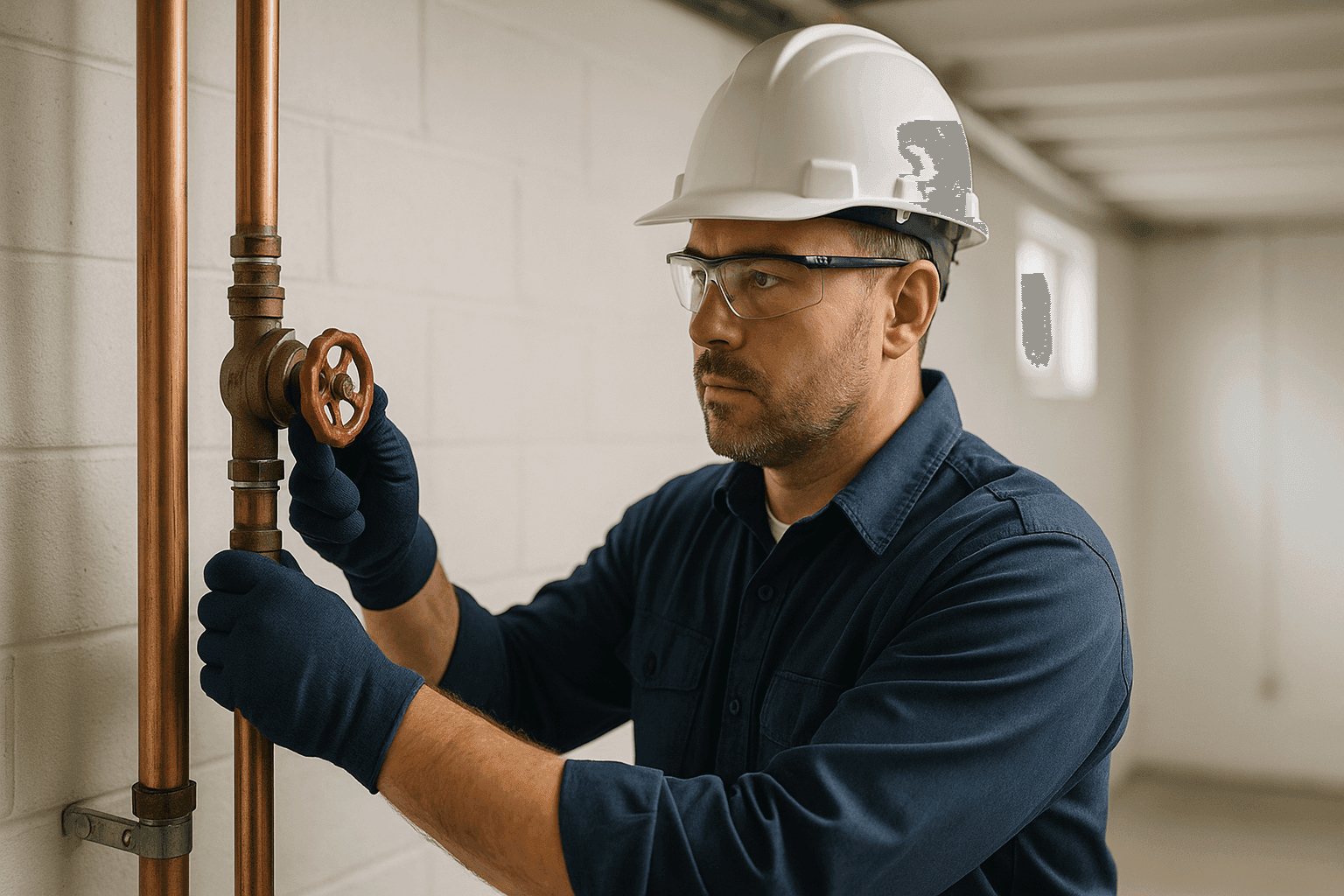
- Shut off the main water valve: Know where it is and turn it off clockwise.
- Turn off electricity if water is near outlets or wires: Safety first.
- Open windows if you suspect a gas leak: Ventilate and evacuate immediately.
- Move valuables away from water: Rugs, electronics, anything that can be damaged.
- Check for slippery floors: Prevent slips and falls.
- Keep children and pets clear: Especially in areas with standing water or gas.
If you can’t find the source or feel unsafe, leave the house and call for help.
Burst Pipe? Overflowing Toilet? Here’s What to Do
Burst Pipes
- Turn off water at the main valve.
- Open faucets to drain left-over water and relieve pressure.
- Catch drips with towels, buckets, or pans.
- Don’t use electrical appliances near the leak.
- If water is spreading through ceilings or walls, poke a small hole to drain trapped water safely (use a bucket underneath).
Overflowing Toilets
- Turn the shut-off valve behind the toilet.
- Remove the tank lid and lift the float to stop more water.
- Use a plunger if you know the blockage is minor.
- Soak up overflow with old towels.
Water Heater Leaks
- Turn off the cold water supply line to the heater.
- Switch the water heater to 'off' (electric on breaker, gas on the thermostat).
- Catch leaks with a pan or bucket.
- Avoid standing water near electrical connections.
For other issues—like mysterious wet spots or sudden loss of water pressure—shut off the main water supply and wait for a professional assessment.
DIY Fix or Call an Emergency Plumber?
Not every plumbing problem is a DIY project. Here’s how to tell:
DIY-Friendly:
- Minor clogs (using a plunger or drain snake)
- Dripping faucets
- Toilet tank adjustments
Call a Pro Immediately:
- Burst pipes
- Major leaks behind walls or ceilings
- Sewer line backups
- Gas smells (call your gas company first, then a licensed plumber)
- Water heater leaks
- No running water
If you’re ever in doubt, play it safe. Water and gas are powerful forces—best left in skilled hands.
What the Pros Do When They Arrive
When Curtis Key Plumbing shows up, you’re getting trained eyes and hands. Here’s what happens next:
- Assessment: We’ll pinpoint the source—sometimes behind drywall or under floors.
- Containment: Specialized tools shut off problem areas without killing water to the whole house (when possible).
- Repair or temporary fix: Quick solutions to stop damage, with plans for permanent repair.
- Safety checks: Gas, electrical, and code compliance.
- Cleanup guidance: Advice on drying out, mold prevention, and next steps.
We bring equipment most homeowners don’t have—like leak detectors, pipe cameras, and industrial water extractors.
Prevention & Maintenance: Your Best Defense
Most emergencies have warning signs, like:
- Slow drains
- Gurgling sounds
- Water stains on ceilings
- Higher water bills without explanation
- Rusty or discolored water
Get ahead of trouble by:
- Scheduling regular inspections (especially before winter)
- Insulating pipes in crawl spaces and attics
- Flushing water heaters annually (per manufacturer guidelines)
- Checking for loose toilet bases or faucet leaks
- Installing water leak detectors
The International Association of Certified Home Inspectors recommends annual plumbing checks for peace of mind.
Costs & Time Factors: What to Expect
Plumbing emergencies are rarely cheap or quick, but acting fast can save you money:
- Time: Most emergency visits last 1–3 hours, but complex repairs may take longer.
- Cost factors: Severity, parts needed, time of day, and extent of water damage.
- Water shutoff: You may be without water during repairs—plan accordingly.
- Insurance: Major leaks or water damage may qualify for homeowner’s insurance claims (check your policy).
Remember, delaying a call can mean higher repair bills down the road.
When It’s Truly an Emergency
Some situations can’t wait:
- Water flooding rooms
- Major pipe bursts
- Sewer water backing up
- Suspected gas leaks
- No water at all
If your instincts say “now,” trust them. Call for emergency plumbing right away.
FAQ: Homeowner Plumbing Questions
What if I can’t find my main water shutoff?
Look in basements, garages, or near the water meter. If you can’t find it, ask us to show you during your next service.
Should I try to fix a gas leak myself?
Never. Leave the house, call your gas provider, and then call a professional plumber.
How do I know if it’s a sewer problem?
If multiple drains back up at once or you smell sewage, it’s likely a main line issue.
Can I use drain cleaners for clogs?
Over-the-counter drain cleaners can damage pipes and rarely solve major blockages. Stick to plungers or call in the pros.
Local & Seasonal Considerations: Frozen Pipes and Holiday Surges ❄️
Winter in many regions means frozen pipes. When water freezes, it expands—pipes crack, and the thaw brings floods. To prevent this:
- Let faucets drip on freezing nights.
- Open under-sink cabinets to let warm air circulate.
- Insulate exposed pipes.
During holidays, kitchens and bathrooms work overtime. Remind guests what not to flush. Space out showers and dishwasher runs.
If you return home to find water where it shouldn’t be, follow the steps above. Holiday or not, Curtis Key Plumbing is here—24/7.
You don’t have to handle a plumbing emergency alone. Whether it’s a burst pipe, a gas concern, or a midnight flood, Curtis Key Plumbing is ready any time—day or night.
Call Curtis Key Plumbing now — or reach us anytime at 888-890-1791 .