When Should You Replace Your Water Heater? Signs, Lifespan & What to Expect
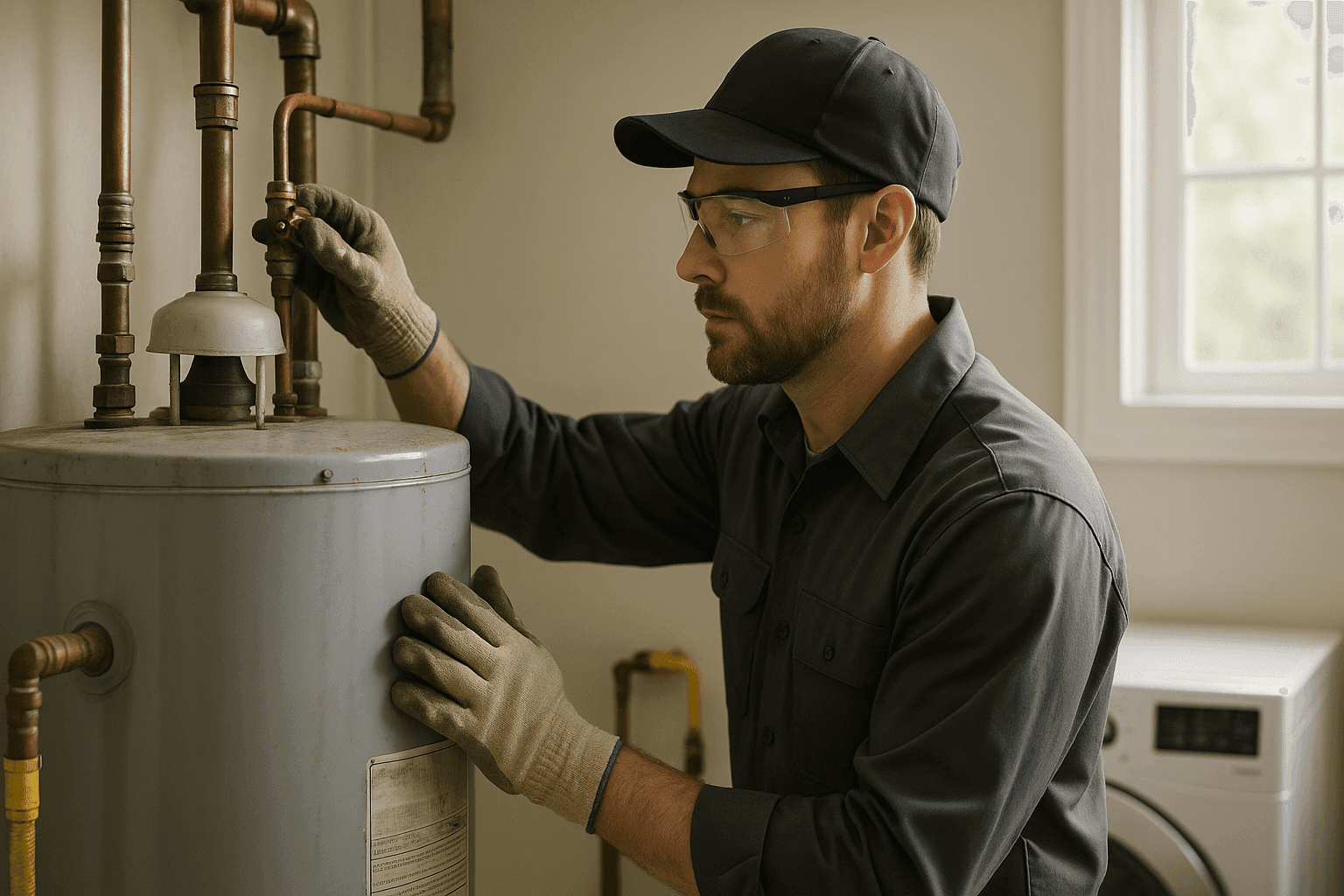
Is your water heater groaning in the night? Maybe it’s giving you the cold shoulder—literally—every time you turn on the tap. These moments can hit at the worst time, leaving you with chilly showers and a growing sense of worry. At Curtis Key Plumbing, we know the stress of sudden water heater trouble. But knowing when to replace your water heater doesn’t have to be a guessing game.
Our team has seen it all—flooded basements, rusty leaks, and sputtering heaters that stopped working at 2 a.m. This guide will help you spot warning signs, understand the typical lifespan, and decide whether to repair or replace. We’ll walk you through safety checks, what to expect from professionals, and how to keep your hot water running smoothly.
How Long Do Water Heaters Really Last? ⏳
Think of your water heater like a car engine. With regular tune-ups, it keeps humming—but eventually, even the best models need retiring. Most traditional tank water heaters last 8–12 years, according to manufacturers like Rheem and AO Smith. Electric models often push the upper end, while gas heaters sometimes check out sooner due to their heat cycles.
Tankless water heaters? They can run 15 years or more—if well maintained. But no matter the type, age isn’t the only clue. Your water heater’s environment, water quality, and maintenance routine all play a part.
Quick reference:
- Gas water heaters: 8–12 years (with annual maintenance)
- Electric water heaters: 10–15 years
- Tankless/on-demand heaters: 15–20 years (with regular descaling)
- Well water/“hard” water: Can cut lifespan by several years due to mineral buildup
Regular checkups matter. Without them, hidden leaks or corrosion can send your heater to an early grave.
Signs Your Water Heater Is in Trouble
How do you know when your water heater is waving the white flag? Not all problems mean it’s time to replace, but some are serious red flags.
Red Flags and Warning Sounds
- Strange noises: Rumbling, popping, or banging? Sediment might be cooking on the bottom of the tank.
- Leaking water: Even a small puddle under your heater means trouble. Water and electricity (or gas) are a risky combo.
- Rusty water: Brown or reddish water from your hot tap often means your tank is corroding from the inside.
- Inconsistent hot water: Hot one minute, cold the next? Heating elements or the thermostat might be failing.
- No hot water: Self-explanatory—and often a sign of a total breakdown.
- Higher energy bills: Older units lose efficiency. Your wallet notices before your eyes do.
If you notice any of these, don’t ignore them. A small leak can become an emergency plumbing nightmare overnight.
Water Heater Safety Checklist 🔍
Before you do anything, safety comes first. Here’s a quick checklist to keep your home and family safe:
- Turn off power or gas: For electric heaters, switch off the breaker. For gas, turn the valve to “off.”
- Check for water leaks: Pools of water near the base? Avoid contact—water could be hot or even electrified.
- Smell gas? Leave immediately and call your utility company. Gas leaks are dangerous.
- Listen for hissing or popping: These sounds can mean pressure or steam is building.
- Feel for heat: If the unit’s exterior is extremely hot, step back.
- Do not open the tank: Opening a pressurized tank can be dangerous.
Follow local building codes and always consult the manufacturer’s safety guidelines before inspecting or touching any part of your water heater.
Repair vs. Replace: Deciding What’s Right
Should you patch things up or start fresh? Like patching a leaky raft, repairs work for a while—but sometimes, replacement is safer and more cost-effective.
When a Repair Makes Sense
- Minor issues: Small leaks at the drain valve or pressure relief valve
- Heating element failure: Electric units with a single faulty element
- Thermostat replacement: Inconsistent temperatures but tank is sound
- Unit is less than 6 years old: Many parts are still under manufacturer warranty
When to Replace
- Age: Over 10 years old and showing symptoms
- Major leaks: Tank leaks usually mean the inner lining is shot. No patch will hold for long.
- Rusty water or corrosion: Internal rust means the tank is failing from the inside.
- Frequent repairs: If you’re calling for help more than once a year, replacement is likely cheaper in the long run.
- Safety concerns: Gas leaks, faulty wiring, or pressure buildup are all serious hazards.
Think of it like shoes—at some point, patching the soles just isn’t worth it anymore.
What Pros Do When They Arrive 🧰
Wondering what happens when you call for emergency plumbing help? Here’s what you can expect from a professional plumber at Curtis Key Plumbing:
- Assessment: We inspect the make, model, and age of your unit.
- Safety checks: Gas, electrical, and venting systems are checked for code compliance (referencing National Fuel Gas Code and local codes).
- Leak detection: We look for hidden leaks around joints, valves, and the tank base.
- Water quality: Sometimes, hard water or sediment is the culprit.
- Clear diagnosis: We explain what's wrong—in plain English, not technical jargon.
- Options: We outline repair and replacement possibilities, including estimated labor and time.
No guesswork. No surprises. Just practical advice and clear next steps.
Choosing the Right Water Heater for Your Home
If replacement is needed, choosing the right model is key. Different homes, families, and budgets call for different solutions.
What to Consider
- Fuel type: Electric heaters are common and easy to install. Gas models heat water faster and are popular for larger homes.
- Tank vs. tankless: Tank models are tried and true. Tankless units save space and can be more energy efficient.
- Size: Heaters range from compact 20-gallon units to massive 80-gallon tanks. Bigger isn’t always better—oversized units waste energy.
- Energy efficiency: Look for ENERGY STAR® labels and compare annual operation costs.
- Warranty: Most new heaters carry 6–12 year warranties. Longer coverage can add peace of mind.
Our team can help size a unit for your home, recommend water filtration for hard water, or suggest upgrades—like leak detection systems and backflow prevention—for extra peace of mind.
Water Heater Replacement: What to Expect
Replacement isn’t as disruptive as you might fear. Here’s a run-down of the usual process:
- Turn off water, power, and gas to the old unit.
- Drain the tank safely—this can take 30 minutes to an hour.
- Disconnect and remove the old heater. (Pro tip: Old heaters are heavy and awkward. Let the pros handle it.)
- Inspect and prepare connections—sometimes pipe repair or gas safety checks are needed.
- Install the new unit, hook up water, gas, and electrical.
- Test for leaks and verify pressure, temperature, and code compliance.
- Show you how it works and answer any questions.
Most replacements take 2–4 hours. If you need new venting or major pipe work, add a little more time.
Preventative Maintenance: Extend Your Water Heater’s Life 🛠️
You wouldn’t skip an oil change for your car, right? Regular maintenance can add years to your water heater’s life.
- Flush the tank yearly: Clears out sediment and minerals.
- Check the anode rod: This “sacrificial” rod attracts corrosion, protecting your tank.
- Inspect temperature settings: 120°F is safe for most homes—hot enough to kill bacteria, but not scald.
- Test the pressure relief valve: Keeps pressure in check and prevents explosions.
- Look for leaks: Even small drips mean it’s time for a professional look.
Ask about a maintenance plan—or schedule reminders for yearly checkups.
Costs & Time Factors
No two water heater jobs are alike. Costs depend on type, size, and installation needs.
- Repair costs: Minor fixes (like replacing a thermostat or valve) are quick and affordable.
- Replacement: The unit’s price, labor, and any pipe repair near you all factor in.
- Upgrades: Energy-efficient models or tankless heaters have higher upfront costs but can save on utility bills.
- Time: Most repairs are same-day. Replacement usually wraps up in a few hours.
Always budget for unexpected surprises—like corroded pipes or outdated venting.
When It’s an Emergency 🚨
Certain water heater problems can’t wait.
- Major leaks: Can cause water damage fast—shut off the water supply and call for emergency plumbing.
- No hot water: Especially in winter, this can be more than an inconvenience.
- Gas or electrical hazards: If you smell gas, see sparks, or hear loud hissing, evacuate and call for help immediately.
- Flooded utility room: Fast action reduces the risk of mold and structural damage.
Curtis Key Plumbing offers 24/7 emergency plumbing for these situations. Don’t take chances with your safety.
FAQ: Water Heater Replacement
Q: Can I install a water heater myself?
A: Not recommended. Water heaters connect to gas, electricity, and pressurized water lines. Mistakes can cause leaks, explosions, or void your warranty. Local codes often require licensed installation.
Q: How do I know if it’s the tank or just a part that needs replacing?
A: If you see leaks from the bottom or rusty water, it’s usually the tank. If it’s just cold water or tripped breakers, it might be a heating element or thermostat.
Q: Are tankless water heaters worth the upgrade?
A: Tankless models cost more upfront but can save energy and space. They’re great for families who use a lot of hot water or want endless hot showers.
Q: What should I do while waiting for a plumber?
A: Turn off the power/gas and water supply to the heater. Avoid touching wet areas, especially near electrical outlets.
Local and Seasonal Factors to Consider
Here in our region, water heaters work overtime in winter and during sudden cold snaps. Hard water? It’s common in many neighborhoods and leads to extra mineral buildup. If you travel or leave your home empty during the colder months, consider preventative drain cleaning and pipe repair near you to avoid frozen or burst pipes.
Older homes, especially those with original plumbing, may need repiping or updated venting to meet current code. Ask your installer about local code requirements—they’ll know what’s needed for your area.
Ready for Reliable Hot Water Again?
Don’t let a tired water heater leave you in the cold or risk your safety—especially when help is just a call away. For honest advice, fast response, and safe installation, Curtis Key Plumbing is here whenever you need us.
Call Curtis Key Plumbing now — or reach us anytime at 888-890-1791 .