Sewer Line Problems: How to Spot, Prevent, and Repair Costly Damage
Sometimes, it starts with a slow drain. Other times, it’s a strange smell wafting from the yard. Or suddenly, after a heavy rain, your backyard feels more like a swamp. Sewer line problems can sneak up on anyone—no matter how new or old your home is.
At Curtis Key Plumbing, we know the stress and mess that sewer issues cause. That’s why we help homeowners spot trouble early, act fast in emergencies, and understand exactly what repairs involve. Here’s what every homeowner needs to know.
How Tree Roots, Old Pipes, and Weather Wreak Havoc
Your sewer line is the silent workhorse of your home, carrying waste safely out of sight. But it faces a trio of common threats:
- Tree Roots: Like thirsty invaders, roots snake through tiny cracks, growing and eventually blocking the flow.
- Aging Pipes: Old materials—especially clay or cast iron—become brittle, inviting leaks and even collapse.
- Heavy Rains: After storms, saturated soil can push pipes out of alignment or force groundwater into cracks.
Each problem can start small, with subtle signs. Left unchecked, though, the damage (and repair bill) can grow fast.
Warning Signs: Know Trouble Before It Grows 🚩
Think of your sewer line like a warning light on your car’s dashboard. Here’s what to watch for:
- Slow Drains: If more than one drain in your house is clogged or slow, it’s rarely a coincidence.
- Gurgling Toilets: Bubbling or gurgling noises can signal a blockage downstream.
- Bad Smells: Sewage odors indoors or outside mean trouble brewing below ground.
- Soggy or Sunken Lawn: Persistent wet spots, lush green patches, or dips in your yard may signal a leak.
- Backups: The worst-case scenario—wastewater backing up into tubs, showers, or toilets.
If you’re seeing these signs, don’t ignore them. Early action is always cheaper and less disruptive.
Quick Safety Checklist
- Keep kids and pets away from soggy or foul-smelling areas.
- Avoid using appliances that drain water (showers, laundry, dishwasher) if sewage is backing up.
- Don’t open cleanouts or attempt to dig—sewer gases are hazardous.
- If you smell gas along with sewer odors, leave immediately and call your utility provider.
DIY or Call a Pro? What You Can Safely Do
Some fixes are safe for homeowners. Others, not so much.
Safe DIY Steps:
- Try a plunger on a single clogged drain.
- Use a handheld drain snake for minor clogs (never for toilets or main lines).
- Check for visible leaks under sinks or around toilets.
When to Call Emergency Plumbing:
- Multiple drains are slow or backing up.
- You notice bad smells or standing water.
- Water is coming up through floor drains or bathtubs.
- You hear gurgling when appliances drain.
Attempting more can cause worse damage—or risk your health. That’s when professional help is vital for pipe repair near you.
What Pros Do On Arrival: The Real Process
When Curtis Key Plumbing’s team arrives, here’s what you can expect:
- Inspection: We ask questions and check all trouble spots.
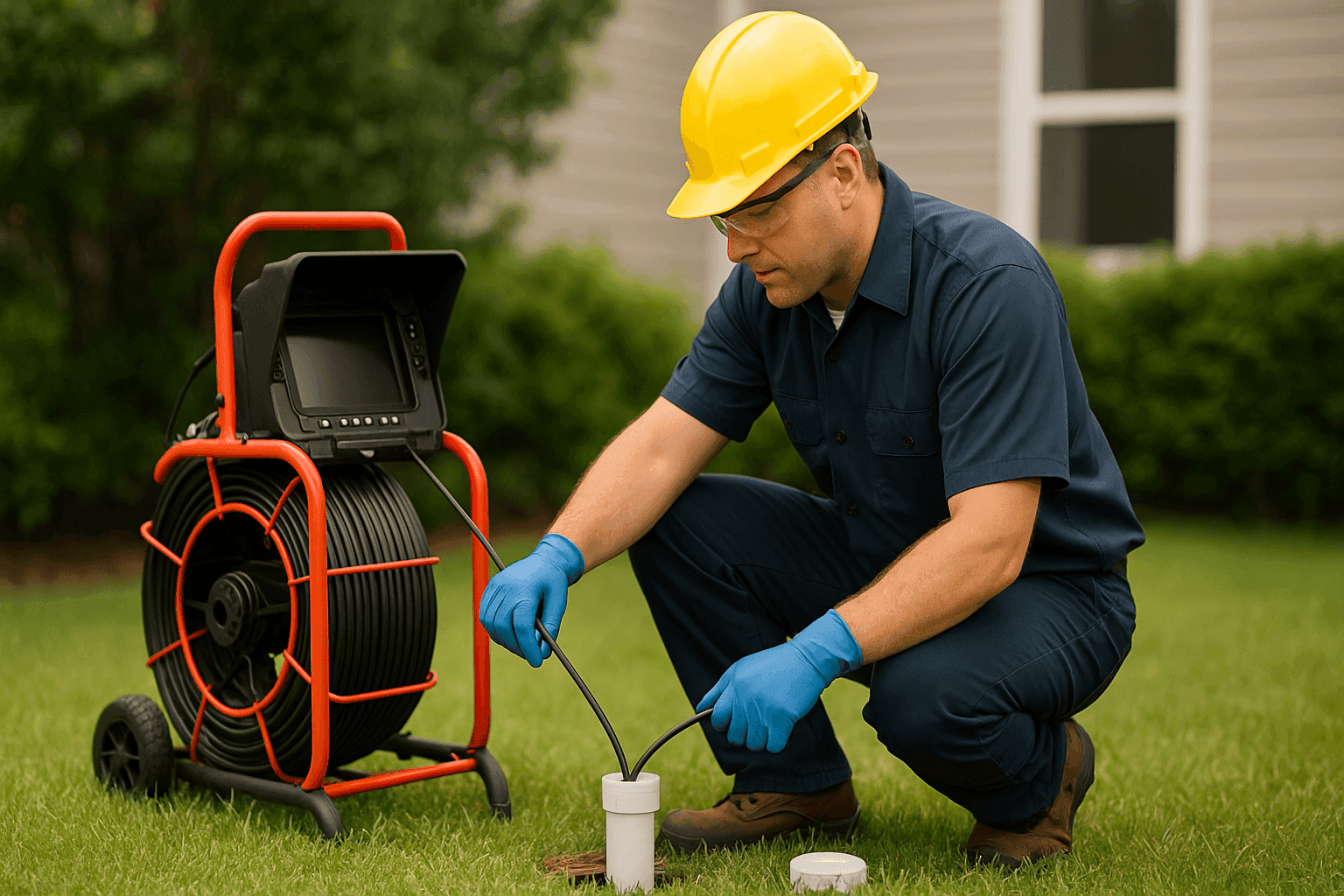
- Camera Inspection: A specialized camera snakes through your line, pinpointing the blockage or break.
- Diagnosis: We explain in plain language what’s happening underground.
- Clearing Blockages: If it’s a clog, we use professional augers or hydro-jetting.
- Repair or Replacement: For broken pipes, options include spot repairs, pipe lining, or full replacement—depending on severity.
- Testing: We check for proper flow and confirm the issue is fixed.
This approach follows local building codes and safety guidelines from organizations like the International Association of Plumbing and Mechanical Officials (IAPMO).
Prevention & Maintenance: Outsmarting Sewer Surprises 🛡️
An ounce of prevention is worth a pound of clean-up. Here’s how to cut risk:
- Keep Trees Away: Don’t plant trees with aggressive roots near sewer lines.
- Don’t Flush Trouble: Only toilet paper and waste should go down toilets. No wipes, feminine products, or grease.
- Annual Inspections: Regular check-ups spot small issues before they grow.
- Install Backflow Devices: These prevent sewage from re-entering your home during storms.
- Watch the Water: Sudden spikes in your water bill can signal a hidden leak.
Preventative maintenance is the best way to keep emergency plumbing calls to a minimum.
Costs & Time Factors: What to Expect
No two sewer jobs are the same, but here’s what homeowners ask most:
- Simple Clog Clearing: Can often be fixed within 1–2 hours.
- Camera Inspections: Usually done on the spot, adding 30–60 minutes.
- Spot Repairs: Small pipe fixes may take half a day.
- Full Replacement: If the line’s collapsed or severely damaged, expect 1–3 days, depending on yard access and weather.
Cost Ranges: Minor clearing or repairs are less expensive, while full replacements—especially those involving digging or trenchless tech—cost more. Your plumber will always explain the options before starting.
When It’s an Emergency 🚨
Some sewer problems just can’t wait:
- Sewage Backing Up Indoors: Immediate health hazard.
- Major Leaks or Sudden Yard Flooding: Risk to your home’s foundation and safety.
- Gas Odor: Could indicate a broken sewer and gas line—leave the home and call for help.
In these situations, call emergency plumbing services right away. Time matters.
FAQ: Sewer Line Worries, Answered
Q: How often should I have my sewer line inspected?
A: Older homes (over 40 years) or houses with large trees nearby should be checked every 1–2 years. Newer homes can go longer unless you notice warning signs.
Q: Can insurance cover sewer repairs?
A: Sometimes, but most policies exclude damage from normal wear or tree roots. Check your homeowner’s policy for details.
Q: What’s the difference between drain cleaning and sewer line repair?
A: Drain cleaning removes clogs; sewer line repair fixes broken or collapsed pipes. Sometimes both are needed.
Q: Is trenchless repair always possible?
A: Not always. If the pipe is completely collapsed or the ground is unstable, digging may be required.
Local & Seasonal Considerations
Where you live—and the age of your home—makes a difference:
- Older Neighborhoods: Homes built before the 1970s often have clay or cast iron pipes, which are more prone to cracks and root invasion.
- Heavy Rain Regions: Homes in flood-prone areas face more shifting soil and backflow risk.
- Cold Climates: Freeze-thaw cycles can stress buried pipes, leading to breaks in winter and spring.
No matter your situation, regular sewer line checks and prompt action keep bigger headaches at bay.
If you’ve spotted the warning signs, don’t wait for a small problem to turn into a disaster. Call Curtis Key Plumbing now — or reach us anytime at 888-890-1791 .