How Much Does It Cost to Repair or Replace a Sewer Line?
When your sewer line acts up, it’s never at a convenient moment. A sudden backup, a soggy patch in the yard, or that unmistakable whiff can send any homeowner into panic mode. Sewer line problems don’t wait for sunny days—they show up in the middle of storms, holidays, and even the dead of night.
At Curtis Key Plumbing, we understand how stressful it is to face these emergencies. With decades of experience in emergency plumbing, we’re here to help you make sense of the costs, the risks, and the smartest next steps.
Signs You Need Sewer Line Work 🚨
Sometimes the signs are subtle. Other times, they’re screaming for attention. Watch for:
- Gurgling toilets or slow drains throughout your home
- Sewage odors in the yard, basement, or bathrooms
- Lush, extra-green patches of grass (sewage is a fertilizer—just not one you want!)
- Standing water or sinkholes in the yard
- Multiple clogged fixtures at the same time
- Water backing up into tubs or showers
If you notice these red flags, don’t wait. Sewer line issues can escalate fast, especially after heavy rain or tree root growth.
Typical Cost Ranges
Let’s clear the fog: most homeowners pay between $2,500 and $8,000 for sewer line repairs. Full replacements? These can run from $4,000 to $20,000 or more, depending on what’s lurking beneath your property. According to the National Association of Home Builders and industry reports, the average cost to replace a sewer line sits around $7,500.
Why such a wide range? Your price depends on the repair method, pipe length and depth, materials, and how easy it is to access the problem area.
Major Factors Affecting Price
Every property is different. These are the main drivers that impact what you’ll pay:
1. Pipe Material
- Cast Iron & Clay: Older homes often have these. More difficult to repair, more likely to collapse.
- PVC & ABS: Common in newer builds. Easier and less expensive to replace.
- Orangeburg: A brittle, outdated material notorious for failing. If your home has it, replacement is almost always necessary.
2. Repair Method
- Traditional (Trenching): Involves digging a trench to reach the pipe. Labor-intensive, disruptive, but sometimes unavoidable.
- Trenchless Repair: Uses pipe bursting or lining technology. Less digging, less mess, often faster—but not always possible if the pipe is badly collapsed.
3. Severity and Scope
- Spot Repairs: Fixing a small section costs less.
- Full Replacement: Needed if there’s widespread damage, sagging, or total collapse.
- Extent of Damage: Tree roots, shifting soil, or repeated backups can mean more invasive work.
4. Property Accessibility
- If your pipe runs under a driveway, mature trees, or a finished basement, expect extra labor and restoration costs.
- City code requirements may add inspection or permit fees.
5. Seasonal & Weather Impacts
- Heavy rain, freeze-thaw cycles, or rapid snow melts can reveal or worsen sewer line problems.
- Emergency plumbing during storms or winter may carry premium rates due to demand and difficult conditions.
6. What’s Included in the Quote
Always ask what’s covered:
- Diagnostic camera inspection
- Labor and materials
- Restoration (filling trenches, repairing landscaping)
- City permits and required inspections
- Cleanup and haul-away
Hidden fees, like emergency service upcharges, after-hours labor, or extra restoration, can add up fast. Get a detailed, written quote before work begins.
Repair vs. Replacement Overview
How do you know which you need? Here’s a quick breakdown:
- Repair is often possible if the damage is isolated—a crack, a joint problem, or a single break.
- Replacement is the only real option if the pipe is crumbling, collapsed, or made from obsolete materials like Orangeburg or badly corroded cast iron.
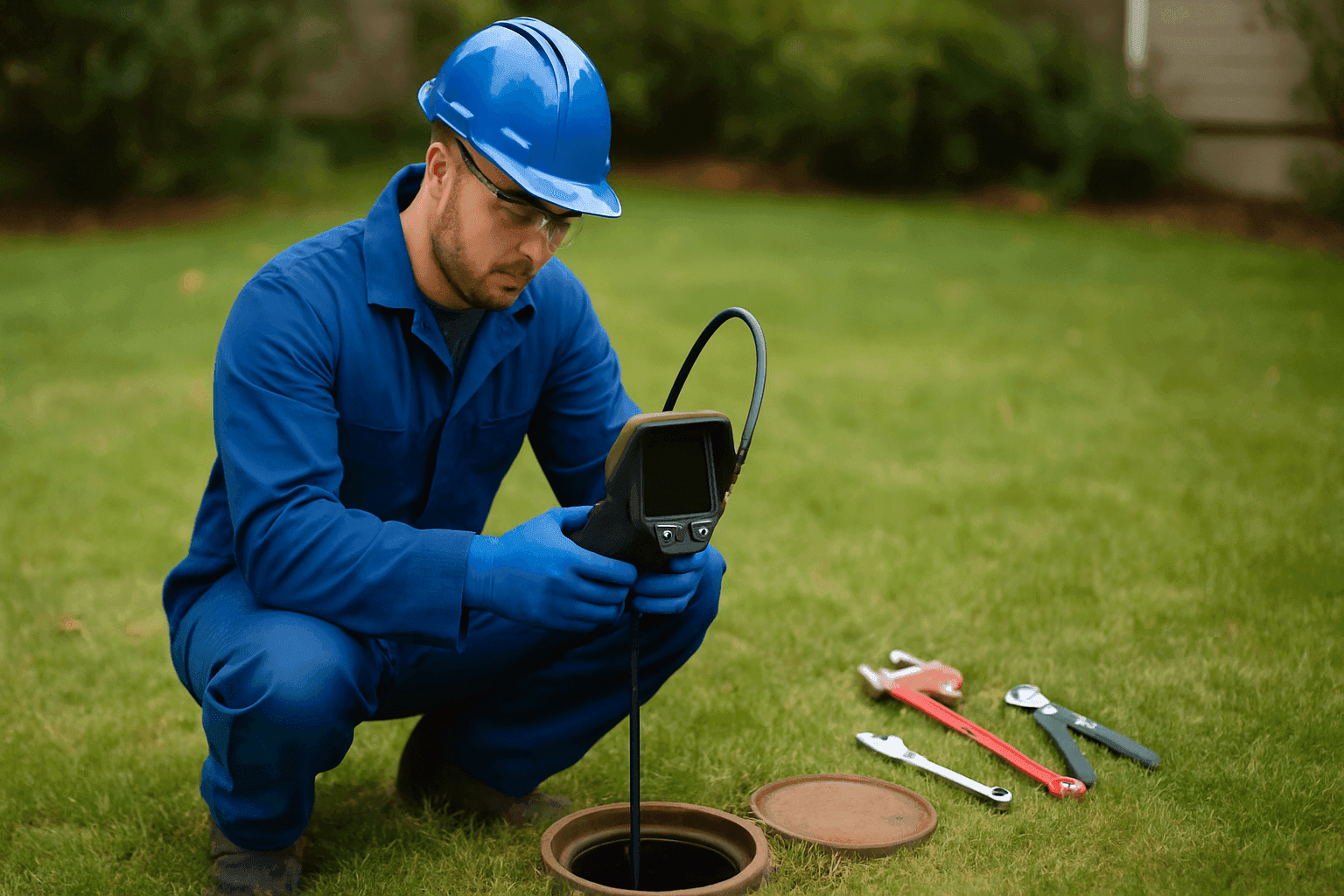
Curtis Key Plumbing uses camera inspections to pinpoint the problem and recommend the least invasive, most cost-effective solution.
How to Plan for Emergencies 🛠️
Sewer line failures rarely give you much warning. Here’s how to stay ahead:
- Know where your main sewer cleanout is located.
- Keep an eye out for slow drains or recurring backups.
- Schedule annual sewer line inspections, especially if you have mature trees or an older home.
- Set aside a home emergency fund; sewer repairs can’t wait.
- Understand your homeowners insurance policy—most do not cover sewer line repairs unless you have a sewer backup rider.
When bad weather is forecast or roots are a known issue, having a trusted emergency plumbing team on speed dial makes all the difference.
Estimating Your Sewer Line Costs
You can’t get an exact number until a pro assesses your property, but here’s how to ballpark your costs:
- Minor repairs: $600–$2,500
- Spot trenchless repairs: $2,000–$6,000
- Full trenchless replacement (30–50 feet): $7,000–$15,000
- Traditional replacement (with yard or driveway restoration): $8,000–$20,000+
Permits, inspections, and landscape repairs can push that number higher. The earlier you address a problem, the less likely it is to turn into a major headache.
What’s Involved When You Call a Pro
Here’s what to expect when Curtis Key Plumbing arrives:
- Assessment & Camera Inspection: We locate the clog, break, or collapse, and map out the line.
- Quote Preparation: You’ll get a detailed estimate covering all labor, materials, and restoration.
- Permitting: We handle any required city permits or code compliance.
- Repair or Replacement: Whether it’s trenchless or traditional, we work quickly to restore flow.
- Site Restoration: We fill in trenches, clean up the area, and haul away debris.
Every step follows local plumbing codes and best safety practices as outlined by the International Plumbing Code (IPC) and your city’s requirements.
FAQs About Sewer Line Repairs
Can I repair my sewer line myself?
No. Sewer line work requires specialized tools, permits, and knowledge of local codes. DIY attempts can lead to fines, failed inspections, and bigger bills down the road.
What about insurance?
Most standard homeowners policies exclude sewer line repairs unless you’ve added a sewer backup endorsement. Check with your insurer.
How soon should I act if I notice a problem?
Immediately. Waiting can turn a small repair into a major project—especially after heavy rains or freeze-thaw cycles.
Do I need a permit?
Yes, for most repairs or replacements. Curtis Key Plumbing handles all necessary permits and inspections for you.
Local and Seasonal Considerations 🌦️
Weather and environment play a huge role in sewer line problems:
- Tree Roots: Spring and early summer are peak root growth times. Roots seek out small pipe cracks, causing blockages and breaks.
- Heavy Rains: Sudden downpours can overwhelm aging pipes, leading to backups.
- Cold Snaps: Freeze-thaw cycles can crack or shift pipes, especially older clay or cast iron lines.
- Soil Conditions: Expansive clay soils or shifting ground can stress sewer lines, especially after a wet season.
Schedule preventive inspections before storm seasons or if your area is prone to root intrusion.
Protecting Your Investment
- Walk your property after storms and check for soggy spots or new odors.
- Install backflow prevention devices (required by code in many areas).
- Invest in regular camera inspections—an ounce of prevention beats a flooded basement any day.
- Address small leaks and repairs promptly to avoid full replacements.
Sewer line problems don’t wait. If you’re worried about backups, leaks, or strange smells, don’t take chances. Call Curtis Key Plumbing now — or reach us anytime at 888-890-1791 .