How to Prevent Costly Plumbing Leaks Year-Round
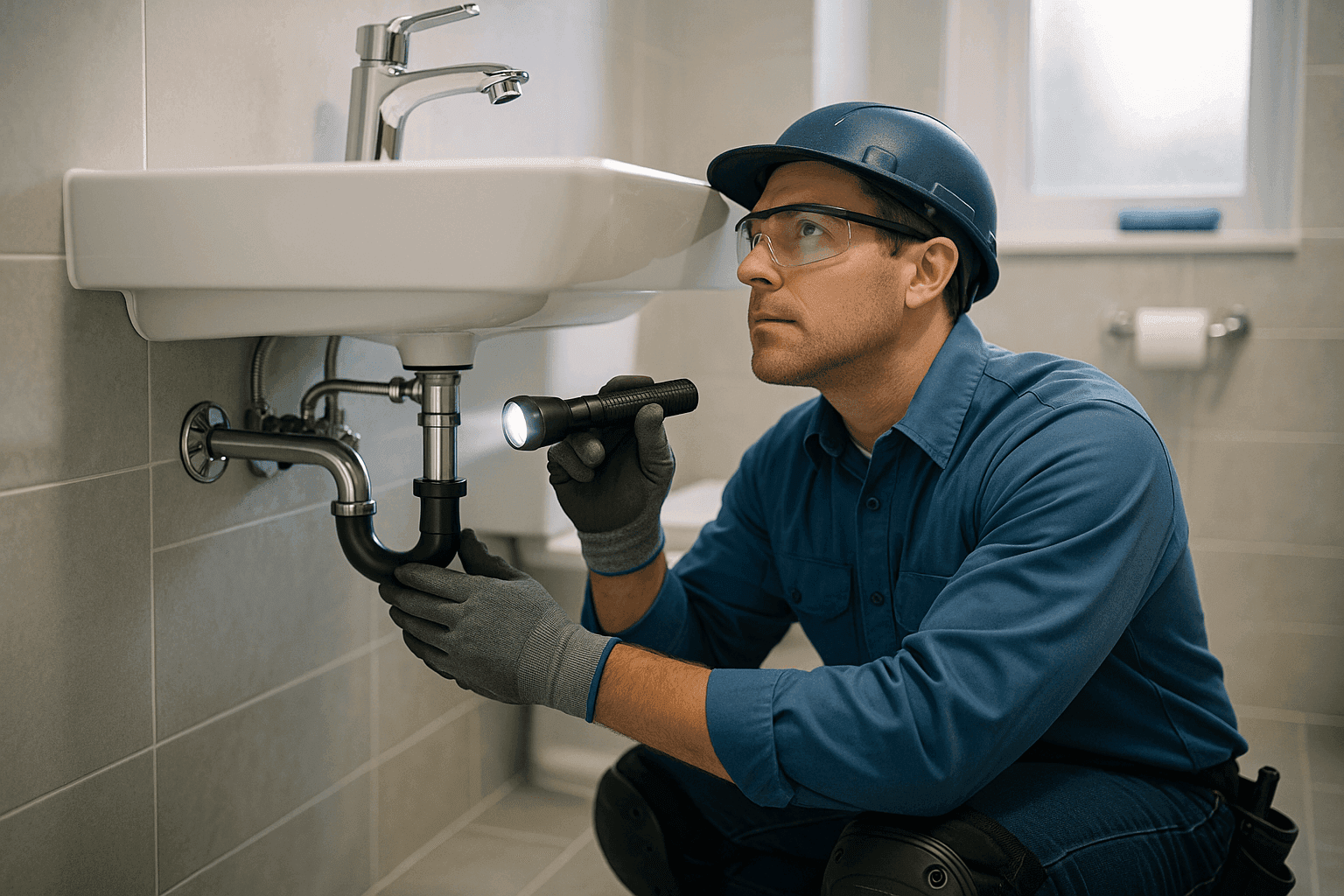
Every homeowner dreads the sound—the steady drip, drip, drip echoing behind a wall or under the sink. Left unchecked, small leaks can turn into major headaches. Floors buckle. Walls stain. Mold creeps in. And repair bills spiral. At Curtis Key Plumbing, we’ve helped families take control before disaster strikes.
Plumbing leaks don’t have to be inevitable. With a blend of simple checks, smart habits, and professional guidance, you can protect your home and wallet—year after year.
Why Leaks Happen
Water is relentless. It finds the tiniest gaps, sneaks through weak seals, and slips past old washers. But why do pipes and fixtures actually start to leak?
- Aging Pipes: Like knees that ache with age, pipes corrode, rust, and weaken over decades. Galvanized steel and even copper can deteriorate, especially in older homes.
- Water Pressure Swings: High water pressure is like a firehose in your plumbing. Over time, it stresses joints and gaskets, leading to cracks and blowouts.
- Temperature Extremes: Freezing winters? Hot summers? Both can make pipes expand and contract, slowly loosening connections.
- Poor Installation: Shortcuts during construction or DIY jobs without proper fittings can mean leaks are waiting to happen.
- Worn Fixtures: Gaskets, washers, and valves wear out—often silently—until water escapes.
- Clogs and Blockages: Slow drains force water to seek escape routes, sometimes causing pipes to split or burst.
Think of your home’s plumbing as a network of tiny highways. Any weakness—a pothole, a crack—can result in an unwanted detour for water.
Key Areas to Check Regularly 🕵️
Leaks love to hide where you’re least likely to look. Each part of your home has its own risk spots:
Bathrooms
- Under sinks and vanities
- Around toilets (base, tank, supply line)
- Bathtub and shower caulking
- Behind or beneath washing machines
Kitchens
- Under the sink (especially at garbage disposals)
- Dishwasher connections
- Refrigerator water lines
- Faucet bases
Basements & Utility Rooms
- Water heater valves and connections
- Main water shutoff valve
- Sump pump and discharge pipes
- Boiler and radiator connections
Exterior & Crawl Spaces
- Outdoor hose bibs (especially after winter freezes)
- Pool and irrigation lines
- Foundation walls (look for dampness or staining)
- Crawl space pipes
Keep a flashlight handy. Don’t just peek—reach and feel for moisture, look for telltale stains, or sniff for musty odors.
Seasonal Leak Risks
Each season brings its own plumbing challenges. Staying ahead means understanding what to watch for as the weather shifts.
Winter
Frozen pipes are the villain of cold months. When water freezes, it expands—sometimes splitting pipes wide open. Unheated crawl spaces, garages, or exterior walls are prime targets.
Tip: Insulate exposed pipes with foam sleeves. Let faucets drip during extreme cold to keep water moving. Know where your main shutoff valve is—fast action can save thousands if a pipe bursts.
Spring & Summer
Heavy rain? Sudden storms? These can overwhelm sump pumps and expose cracks in outdoor pipes. Tree roots also love to seek out sewer lines during wet spells.
Tip: Clear gutters and downspouts. Test your sump pump before big storms. Trim tree roots near sewer lines.
Vacation Absences
Leaks get worse when no one’s home. A slow drip for a week can mean a flooded basement by the time you return.
Tip: Turn off the main water valve before leaving for extended trips.
DIY Leak Prevention Tips
You don’t need a toolbox full of fancy gadgets to make a difference. A few simple habits go a long way.
- Inspect Visible Pipes: Look under sinks and in basements every month. Touch for moisture. Listen for drips when the house is quiet.
- Check Faucets and Fixtures: Tighten loose handles. Replace worn washers—these cost pennies but prevent gallons of wasted water.
- Seal Gaps: Re-caulk tubs and showers. Water seeps into the smallest cracks.
- Test Water Pressure: Your local hardware store sells inexpensive gauges. Aim for 40–60 psi. High pressure? Install a regulator.
- Insulate Pipes: Especially in unheated spaces. Foam sleeves are cheap insurance.
- Clean Drains: Pour boiling water down drains monthly. Avoid harsh chemicals—they can eat away at pipes.
- Flush Water Heaters: Sediment builds up, causing corrosion. Manufacturer guidelines often recommend annual flushing.
Monthly Leak Check Checklist
- Look under every sink and around toilets for puddles or stains
- Test all faucets for drips, even slow ones
- Listen for running water sounds when fixtures aren’t in use
- Inspect washing machine and dishwasher hoses for bulges or cracks
- Check basement and utility room floors for dampness
Seasonal Leak Check Checklist
- Insulate exposed pipes before winter hits
- Test sump pump before spring rains
- Drain outdoor faucets and hoses before the first freeze
- Examine outdoor pipes and foundation after major storms
When to Call a Professional
Sometimes, you need more than elbow grease. Here’s when it’s smart to call Curtis Key Plumbing:
- You find a hidden leak: Wet spots on ceilings or walls? A musty smell? Unexplained puddles?
- Water pressure drops suddenly: Could signal a major pipe break or blockage.
- There’s visible corrosion or rust: Pipes with green, white, or orange stains are whispering for help.
- You hear banging or gurgling pipes: Air in the line or a hidden leak may be to blame.
- Water meter spins when all taps are off: That means water is escaping somewhere.
Code compliance matters! Professional plumbers follow local building codes and manufacturer instructions, ensuring repairs are safe, legal, and built to last.
Why Regular Plumbing Maintenance Matters 🛠️
Preventative maintenance is your home’s raincoat. It keeps small problems from soaking through and causing bigger issues later.
- Saves Money: Early fixes mean less damage, lower repair bills, and fewer insurance claims.
- Protects Health: Mold and mildew thrive in damp spaces, and leaks often go hand-in-hand with bacteria growth.
- Preserves Home Value: Water damage can ruin floors, walls, and your foundation—hurting resale value.
- Peace of Mind: Sleep better knowing you’ve nipped problems in the bud.
Schedule annual plumbing checkups—just like you would for your car. Curtis Key Plumbing’s team is trained to spot issues homeowners often miss.
Early Warning Signs: Don’t Ignore These
- Stains or bubbles on ceilings, walls, or floors
- Persistent musty smells
- Unusually high water bills
- Sounds of trickling water when fixtures are off
- Mold growth in unexpected places
- Soft, spongy areas on floors near sinks or tubs
These are your early alarm bells. The sooner you investigate, the less likely you’ll need emergency plumbing services.
Costs and Time Factors
The price of leak repairs depends on where the problem is hiding and how long it’s been lurking. Fixing a leaky faucet or toilet flapper? Quick and inexpensive. Replacing a burst pipe inside a wall or under the slab? More time, more money.
- Minor Repairs: Simple fixture or pipe fixes can take under an hour.
- Hidden Leak Repairs: Wall or floor leaks may take a day or longer, especially if they require drying out or mold removal.
- Major Pipe Replacement: If your home needs repiping, expect a few days’ work, especially in older homes.
Remember, fast response saves money. Water damage compounds quickly—what starts as a dribble can become a flood.
When It’s an Emergency 🚨
Some leaks can wait a day. Others can’t. Here’s when to act fast and call for emergency plumbing:
- Gushing water or uncontrollable leaks
- Burst pipes (especially in winter)
- Sewage backups or foul odors
- Water heater leaks (risk of scalding or flooding)
- Gas line issues (if you smell rotten eggs, leave immediately and call for help)
In an emergency, shut off your main water supply. Know where your valve is and make sure everyone in the house can find it.
Local and Seasonal Considerations
No two homes are exactly alike. Age, layout, and even local water quality can affect your risk.
- Older Homes: Galvanized pipes are especially vulnerable to corrosion and pinhole leaks.
- Hard Water Areas: Mineral deposits can clog pipes and eat away at seals.
- Storm-Prone Regions: Flooding increases risk for basement and sewer line leaks.
- Cold Climates: Freeze-thaw cycles stress pipes and joints.
Building codes often require proper insulation, backflow prevention, and safe installation of water heaters and gas lines. Following these codes isn’t just about passing inspection—it’s about keeping your family and property safe.
FAQs
How often should I check my home for leaks?
Check visible pipes and fixtures monthly, and do a more thorough inspection each season—especially before winter and after big storms.
Can small leaks really do much damage?
Absolutely. Even a slow drip can rot wood, encourage mold, and ruin drywall over time. Small leaks are like termites—quiet but destructive.
Is it safe to fix leaks myself?
Simple fixes—like tightening a faucet or replacing a washer—are safe for most homeowners. For anything involving gas lines, water heaters, or pipes inside walls, it’s safer to call a professional who follows building codes.
What should I do if I find a leak but can’t fix it?
Turn off the nearest shutoff valve. If water keeps flowing, turn off your home’s main water supply and call Curtis Key Plumbing for emergency plumbing help.
Final Thoughts
Leaks don’t announce themselves with a parade. They’re subtle, sneaking in when you least expect it. But armed with a sharp eye, a monthly checklist, and a trusted pro on call, you can keep your home dry and damage-free—no matter the season.
Call Curtis Key Plumbing now — or reach us anytime at 888-890-1791 .