How to Prepare Your Plumbing for Seasonal Weather Changes
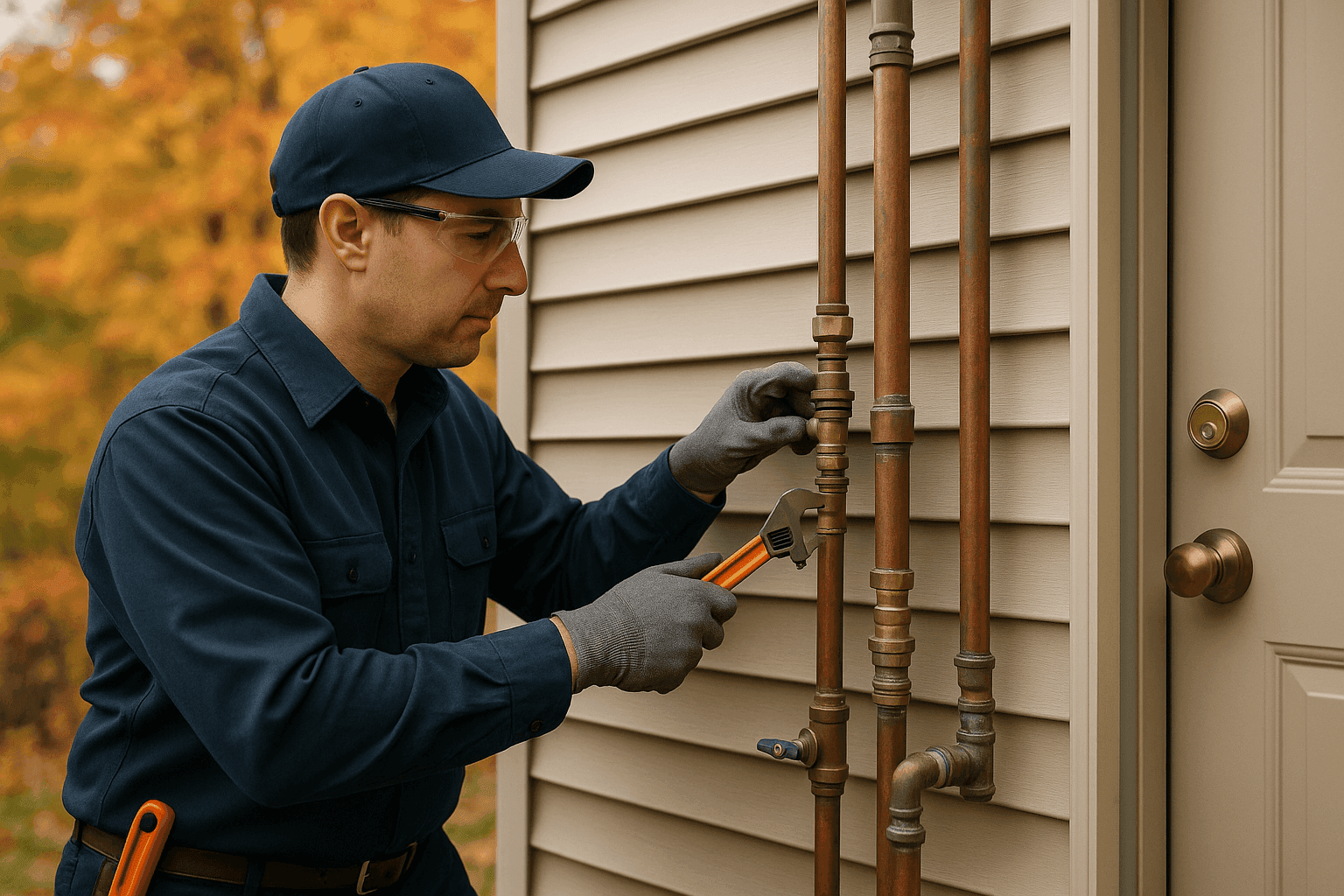
When the seasons change, your plumbing feels it too. Pipes, drains, and fixtures work behind the scenes, but a sudden cold snap or heatwave can turn a small issue into a flood or a costly repair.
Curtis Key Plumbing has seen it all—frozen pipes in winter, overwhelmed drains in summer, and everything in between. With 24/7 emergency plumbing on standby, we know that a bit of preparation now can save a lot of headaches later.
Why Seasonal Plumbing Maintenance Matters ❄️☀️
Think of your plumbing like a marathon runner. It needs to be ready for anything—ice, heat, heavy rain, or drought. Without regular checkups, small cracks can turn into gushing leaks. Drains can clog, pipes can freeze, and water heaters can fail right when you need them most.
Risks of skipping seasonal checks:
- Frozen pipes: Water expands as it freezes, cracking pipes and causing floods.
- Heat-related pipe damage: Extreme heat can warp or weaken pipes, especially older ones.
- Clogged drains: Heavy rain or summer storms can overwhelm systems, leading to backups.
- Water heater stress: Both hot and cold weather can push your water heater to its limits.
According to the International Association of Certified Home Inspectors, frozen pipes are one of the most common causes of property damage during winter, while summer storms can lead to sewer backups if drains aren’t clear.
Winter Plumbing Preparation
Winter is tough on plumbing. Cold air finds its way into crawl spaces, basements, and even walls. Here’s how to keep your pipes warm and your water flowing:
Insulate Exposed Pipes
Wrap foam insulation around pipes in unheated areas. Focus on basements, attics, crawl spaces, and garages. Even a thick towel can help in a pinch.
Seal Up Drafts
Check for gaps near pipes where cold air sneaks in. Use caulk or expanding foam to seal holes in walls and floors.
Check for Leaks
Even a tiny drip can freeze and burst a pipe. Inspect under sinks, around toilets, and near water heaters. Fix leaks right away or call for help.
Sump Pump Readiness
If you have a sump pump, test it before the first freeze. Pour water into the pit and make sure it turns on. Clean debris from the pit and check the discharge line for clogs.
Disconnect Outdoor Hoses
Remove and drain garden hoses. Shut off and drain outdoor faucets to prevent frozen spigots.
Keep a Trickle Flow
On the coldest nights, let a small stream of water run from faucets served by exposed pipes. Moving water is less likely to freeze.
Summer Plumbing Tips
Summer brings its own challenges. Higher water use, heavy rain, and heat can all stress your plumbing.
Clean Out Drains and Gutters
Clear leaves and debris from outdoor drains and gutters. This keeps rainwater moving away from your home and prevents backups.
Inspect for Leaks
Warm weather makes it easy to check for leaks. Look for damp spots in the yard, under sinks, and behind appliances.
Water Heater Maintenance
Flush your water heater to remove sediment buildup. This keeps it running efficiently and reduces the risk of breakdowns.
Check Sprinkler and Irrigation Systems
Inspect for leaks or broken heads. A small leak in a sprinkler line can waste hundreds of gallons of water.
Watch for Sewer Smells
Hot, humid weather can bring out sewer odors. If you notice a persistent smell, it could be a sign of a blockage or venting issue.
Preventative Maintenance Checklist for Every Season ✅
Staying ahead of problems is like giving your plumbing a regular oil change. Here’s a year-round checklist:
- Inspect visible pipes for rust, corrosion, or leaks
- Test water pressure (should be 40–80 psi for most homes)
- Clean faucet aerators and showerheads to remove mineral buildup
- Check under sinks and behind toilets for moisture or mold
- Flush water heater to remove sediment
- Test sump pump and backup power
- Ensure drains and gutters are clear
- Schedule professional backflow testing if required
- Have gas lines checked for safety (especially if you use gas appliances)
- Inspect and clean washing machine hoses
- Look for signs of slow drains or gurgling toilets
Early detection is key. The sooner you spot a problem, the less likely you’ll need emergency plumbing services.
The Importance of Early Detection
A small drip can turn into a disaster overnight. Water leaks can warp floors, ruin drywall, and invite mold. Regular inspections—by you or a licensed plumber—are the best way to catch issues before they escalate.
The American Society of Home Inspectors recommends checking your plumbing system at least twice a year, especially before and after extreme weather.
Why Call Curtis Key Plumbing for Inspections?
Curtis Key Plumbing is available 24/7 for emergencies, but we’re also here to help you prevent them. Our team uses up-to-date tools and follows national safety codes for every inspection, repair, or installation.
We check what you can’t see—inside walls, under floors, and deep in drains. We also provide honest advice and practical solutions, so you’re never left guessing.
Practical Tips to Safeguard Your Plumbing Year-Round
- Know where your main water shut-off valve is: In case of a burst pipe, you’ll want to turn off the water fast.
- Don’t ignore small leaks: Even a slow drip can cause big trouble.
- Be gentle with drains: Avoid pouring grease or food scraps down the kitchen sink.
- Use strainers in sinks and showers: Catch hair and debris before they cause clogs.
- Schedule annual plumbing inspections: Professional eyes spot what you might miss.
Frequently Asked Questions
What are the signs my pipes might freeze?
If you notice reduced water flow, strange noises in the walls, or frost on exposed pipes, act fast. Open cabinet doors to let warm air in and call for emergency plumbing help if you suspect a freeze.
How often should I flush my water heater?
Most manufacturers recommend flushing your water heater once a year. This removes sediment and helps prevent damage.
Is it safe to use chemical drain cleaners?
Chemical cleaners can damage pipes, especially older ones. For stubborn clogs, try a plunger or a drain snake—or call a professional for safe, effective unclogging.
When should I call an emergency plumber?
If you see water pooling, hear hissing from gas lines, lose all water pressure, or smell sewage, call for emergency plumbing right away. Quick action can limit damage.
Special Considerations for Homeowners and Small Business Owners
Homeowners often focus on kitchens and bathrooms, but don’t forget about laundry rooms, basements, and outdoor plumbing. Small business owners should also check restrooms, kitchens, and utility rooms, especially if you have high water usage or older plumbing.
For businesses, regular backflow testing and water filtration system checks are essential to meet health and safety guidelines. Preventative maintenance helps avoid interruptions that can impact your customers and bottom line.
Conclusion
Seasonal weather changes don’t have to spell trouble for your plumbing. With a few simple steps—and help from Curtis Key Plumbing when you need it—you can keep your pipes, drains, and fixtures in top shape all year long.
Call Curtis Key Plumbing now — or reach us anytime at 888-890-1791 .