How to Maintain Your Home Plumbing System Year-Round: Expert Tips for Homeowners
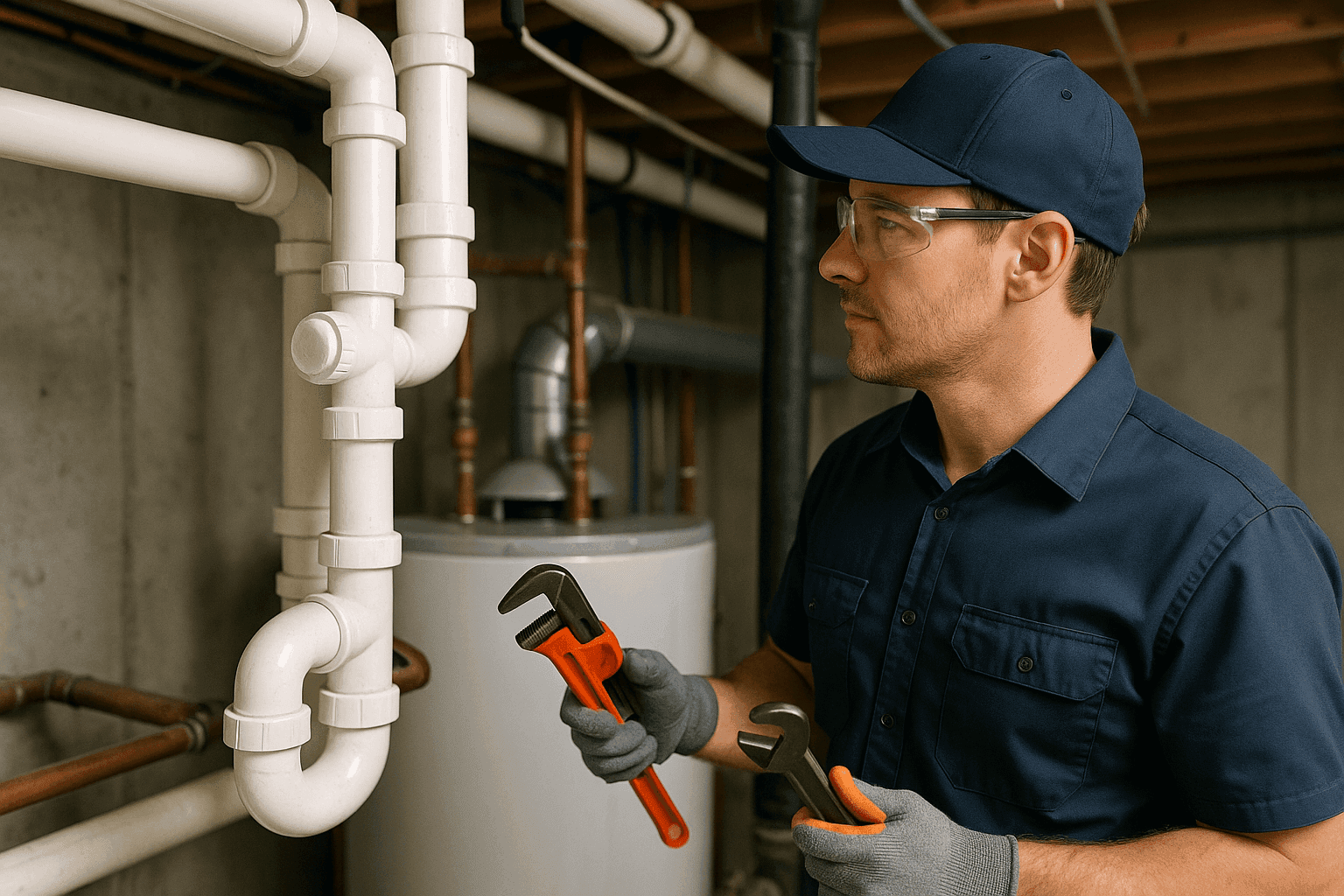
Keeping your plumbing system healthy isn’t just about fixing leaks when they pop up. It’s about watching for the small signs, handling routine care, and knowing when to call for help before a drip becomes a disaster. Whether you own a home or run a small business, a little attention now can save you from big headaches later.
At Curtis Key Plumbing, we’ve seen it all—from slow drains that turn into floods overnight to hidden leaks that quietly boost water bills. We’re here to share what we know, so you can keep your pipes and fixtures running smoothly, season after season.
Seasonal Plumbing Maintenance Checklist 🗓️
Just like you’d tune up your car before a road trip, your plumbing needs regular check-ins. Here’s a breakdown of what to watch for, all year long:
Spring
- Inspect exposed pipes for cracks or leaks left by winter’s chill.
- Test outdoor faucets and hose bibs for leaks.
- Clean gutters and downspouts to prevent water backing up near your foundation.
- Check sump pumps for proper operation before heavy rains.
Summer
- Look for slow drains—tree roots love to sneak into sewer lines this time of year.
- Inspect washing machine hoses for bulges or leaks.
- Ensure your water heater’s temperature is set under 120°F to prevent scalding and save energy.
Fall
- Disconnect and drain outdoor hoses before the first freeze.
- Insulate exposed pipes in unheated areas (like garages or crawlspaces).
- Check for dripping faucets and address them before winter.
Winter
- Let faucets drip during deep freezes to avoid frozen pipes.
- Open cabinet doors under sinks to allow warm air to circulate around pipes.
- Keep your thermostat set above 55°F, even if you’re away.
A little seasonal care goes a long way. According to the International Association of Certified Home Inspectors, regular maintenance can extend the life of your plumbing system and help prevent emergencies.
Detecting and Preventing Leaks Early
A leak can be as sneaky as a mouse in the attic. Sometimes you won’t see water pooling, but your water bill climbs or you hear a faint hiss behind the wall.
Signs of Hidden Leaks
- Unexplained spikes in water bills.
- Damp spots on ceilings, walls, or floors.
- Musty odors—think of that “old basement” smell.
- Mold or mildew growth.
Simple Leak Checks
- Read your water meter before and after a two-hour period when no water is used. If it moves, you may have a leak.
- Listen for running water when all fixtures are off.
Prevention Tips
- Don’t ignore the drip. Even a slow leak can waste gallons of water and cause damage over time.
- Regularly check under sinks and behind toilets for signs of moisture.
- Install leak detectors in high-risk areas for early alerts.
The Environmental Protection Agency (EPA) estimates that household leaks can waste nearly 10,000 gallons of water each year. Catching them early keeps both your wallet and your home dry.
Drain Cleaning Best Practices
Clogged drains are like traffic jams in your pipes. Things slow down, back up, and eventually, nothing moves at all.
Keep Drains Flowing
- Use drain strainers to catch hair, food scraps, and debris.
- Avoid pouring grease or coffee grounds down the kitchen sink.
- Run hot water down the drain after each use to help clear minor buildup.
- Every month, flush drains with a mixture of baking soda and vinegar, followed by hot water.
What to Avoid
- Skip harsh chemical drain cleaners—they can damage your pipes and harm the environment.
- Don’t flush anything but toilet paper—no wipes, even if they say “flushable.”
If you notice frequent clogs, it could signal a bigger issue like a problem in your main sewer line. That’s when it’s time to call in a professional for a thorough inspection.
Water Heater Care and Maintenance
Your water heater works quietly, out of sight, until it doesn’t. Then, cold showers remind you just how important it is.
Basic Maintenance Steps
- Drain and flush the tank once a year to remove sediment buildup.
- Check the pressure relief valve by lifting the lever and letting it snap back (water should flow out; if not, replace the valve).
- Inspect for rust or corrosion around the base.
- Listen for popping or rumbling sounds—these can indicate sediment inside the tank.
According to the U.S. Department of Energy, regular water heater maintenance can improve efficiency and extend its lifespan.
Tankless Water Heaters
- Descale the unit annually to prevent mineral buildup.
- Clean or replace filters as recommended by the manufacturer.
If your water heater is over 10 years old or struggles to keep up, it may be time to consider a replacement or professional repair.
When to Call a Professional
Some plumbing tasks are perfect for a handy homeowner. Others need specialized tools, training, and experience.
DIY vs. Professional Help
Safe for DIY:
- Clearing minor clogs with a plunger.
- Replacing faucet washers or showerheads.
- Tightening loose pipe fittings.
Call a Pro for:
- Persistent leaks or water stains.
- Low water pressure throughout your home or business.
- Sewer odors or frequent drain backups.
- Installing or repairing water heaters, boilers, or gas lines.
- Any sign of water near electrical outlets or appliances.
Trying to tackle complex plumbing problems without the right know-how can make a small issue much worse. Emergency plumbing situations—like burst pipes or sewage backups—need immediate, professional attention.
What Pros Do On Arrival
When you call Curtis Key Plumbing, here’s what you can expect:
- Thorough inspection: We use advanced leak detection tools, cameras for sewer line inspections, and pressure tests to pinpoint problems.
- Clear communication: We explain the issue in plain language and outline your options.
- Safe, code-compliant repairs: All work is performed to meet current plumbing codes and safety standards.
- Preventive advice: We’ll share tips to help you avoid future issues.
Our team brings years of experience and up-to-date training, so you get solutions that last.
Prevention & Maintenance
The best way to avoid emergency plumbing calls is to stay ahead with regular maintenance.
Simple Habits
- Check all visible pipes and fixtures monthly for drips or corrosion.
- Test your water pressure—too high can stress pipes, too low can signal a problem.
- Schedule annual inspections for your water heater, sump pump, and backflow prevention devices.
- Install water filtration systems to reduce mineral buildup and improve water quality.
Long-Term Upgrades
- Consider repiping older homes with modern materials.
- Upgrade to efficient fixtures to save water and reduce wear.
- Add backflow prevention devices to protect your water supply.
Consistent care keeps your plumbing system humming along, year after year.
Costs & Time Factors
Plumbing repairs and maintenance come in all shapes and sizes. Here’s what to expect:
- Routine inspections: Usually take 1–2 hours.
- Minor repairs: Like fixing a leaky faucet or unclogging a drain, often completed within an hour.
- Major repairs or installations: Such as water heater replacement or repiping, may take a day or more.
Costs depend on the complexity of the job, materials needed, and the age of your plumbing. Investing in regular maintenance can help avoid the steeper costs of emergency plumbing repairs.
When It’s an Emergency 🚨
Some plumbing problems can’t wait. Call for emergency plumbing help if you experience:
- Burst pipes or major leaks.
- Sewer line backups or strong sewage odors.
- No water or hot water at all.
- Gas line leaks (leave the building immediately and call emergency services).
Quick action can minimize damage and restore safety to your home or business.
FAQ
How often should I have my plumbing inspected?
Most experts recommend a professional inspection once a year. This helps catch small issues before they become costly repairs.
What’s the best way to prevent clogged drains?
Use strainers, avoid pouring grease down the drain, and flush with hot water regularly. For stubborn or recurring clogs, professional drain cleaning is safest.
How do I know if my water heater needs replacing?
If it’s over 10 years old, makes strange noises, or isn’t providing enough hot water, it may be time to consider a replacement.
Are chemical drain cleaners safe?
Most plumbers advise against them. They can damage pipes and are harmful to the environment. Mechanical methods or enzyme-based cleaners are safer.
Special Considerations for Homeowners and Small Business Owners
- Older buildings: May have outdated pipes that are more prone to leaks and corrosion.
- Businesses: Should schedule maintenance outside of peak hours to minimize disruption.
- Multi-unit properties: Need regular inspections of shared plumbing systems to prevent widespread issues.
Always check that any work done meets local plumbing codes and safety standards, such as those set by the International Plumbing Code (IPC) and Occupational Safety and Health Administration (OSHA).
Call Curtis Key Plumbing now — or reach us anytime at 888-890-1791 .