Gas Safety in the Home: Detecting Leaks and Protecting Your Family
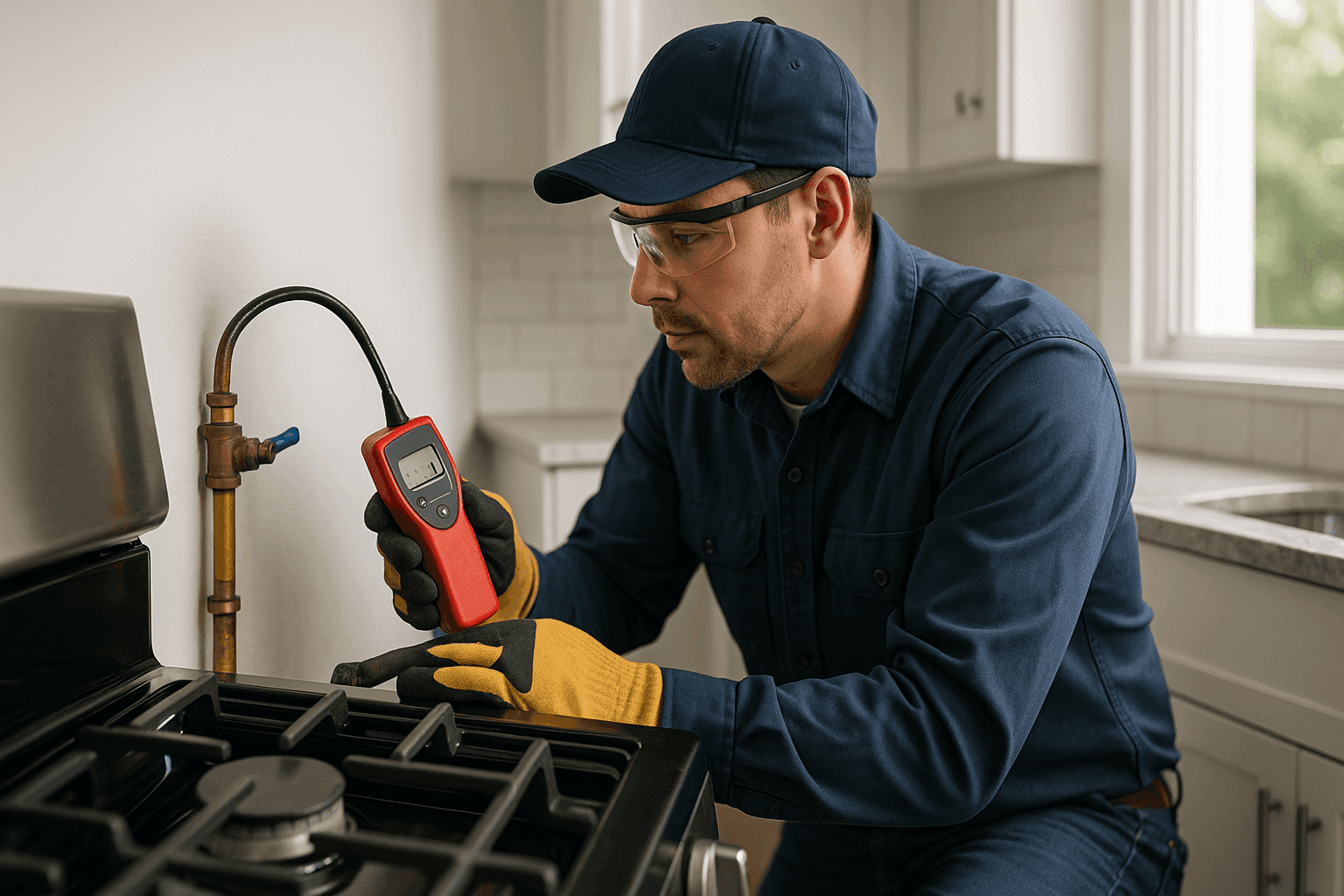
Gas safety is something every homeowner thinks about—sometimes just for a second, sometimes when the heater kicks on and you smell something odd. Leaks are rare, but their consequences can be life-changing. At Curtis Key Plumbing, we've seen firsthand how taking action early can keep your family safe and your mind at ease.
In this guide, you’ll find practical steps, warning signs, and real-world solutions for gas line safety. Whether your home is new, old, or somewhere in between, these tips could make all the difference.
Why Gas Leaks Are a Big Deal
Gas doesn’t ask permission before it leaks. It sneaks quietly, sometimes leaving only the faintest hint—a smell like rotten eggs, a hiss, or a headache that won’t quit. The risk? Fire, explosion, or silent carbon monoxide poisoning. That’s why emergency plumbing is about more than water—it’s about protecting what matters most.
Some gas lines in older homes can be like a ticking clock: aging, corroded, and easily disturbed by home renovations or seasonal shifts. Newer homes aren’t immune either—installations can fail or appliances may not be set up correctly. Safety isn’t about age. It’s about vigilance.
Quick Gas Safety Checklist 🛑
If you want to keep gas out of the danger zone, start with these must-dos:
- Smell: That sulfur, “rotten egg” odor is a warning sign. If you smell it, don’t ignore it.
- Listen: Hissing or whistling near pipes or appliances? That’s a call for attention.
- Look: Dead plants near gas lines, visible rust on pipes, or soot around appliances.
- Feel: Unexplained dizziness, headaches, or nausea at home.
- Test: Install carbon monoxide detectors on every floor—especially by sleeping areas.
- Check: Make sure appliance pilots are blue, not yellow or orange.
- Read: Know the emergency number for your gas utility and keep it handy.
If you notice any of these, don’t wait. Treat it like a fire in the kitchen—act fast.
Inspecting Gas Lines and Appliances
Imagine your gas lines as veins running through your house. When one goes wrong, the whole system feels it. Regular inspection is your stethoscope.
What to Inspect
- Flexible connectors: Look for cracks, corrosion, or loose fittings.
- Shutoff valves: Know where they are and make sure they move freely.
- Appliances: Water heaters, stoves, dryers, boilers—all need periodic checks.
- Vents: Clear of obstructions, free from dust or animal nests.
How Often?
The National Fire Protection Association (NFPA) recommends professional inspection at least once a year, with visual checks every few months.
Carbon Monoxide: The Silent Risk
No smell. No color. No taste. Carbon monoxide (CO) is the ghost in the gas system. Even small leaks can let CO build up, especially in winter when windows stay shut and heaters work overtime.
Warning Signs
- Headaches, dizziness, or confusion, especially among several family members.
- Stale or stuffy air, especially near appliances.
- CO detector alarms sounding—never ignore these.
According to the Centers for Disease Control and Prevention (CDC), CO poisoning sends thousands to the ER each year. Open a window, get outside, and call emergency services if you suspect a problem.
DIY or Call a Pro?
Some things you can handle—others need a certified hand.
Safe DIY:
- Checking carbon monoxide and smoke detectors.
- Knowing where gas shutoff valves are.
- Visual inspection for obvious signs of wear.
When to Call a Pro:
- Smell of gas or persistent headaches/dizziness.
- Hissing sounds near pipes or appliances.
- When you need “Pipe Repair near you” or suspect a leak.
- Installing, moving, or repairing any gas appliance or line.
- When in doubt—always the safer choice.
Trying to DIY a gas line repair is like trying to fix your car’s brakes with duct tape. Just don’t.
What Emergency Plumbers Do On Arrival
When you call Curtis Key Plumbing for emergency plumbing, here’s what happens:
- Immediate assessment: We’ll check for active leaks using electronic detectors and soap solution tests.
- Shutoff: If needed, we’ll close main gas valves to stop the flow immediately.
- Locate the source: We trace the leak to its origin—pipe joints, connectors, appliances, or buried lines.
- Repairs: Only after confirming it’s safe, we’ll repair or replace faulty sections.
- Testing: We run pressure tests and monitor for lingering leaks before restoring service.
- Documentation: Compliance with local codes and safety regulations is standard.
We follow standards from the American Gas Association (AGA) and local building codes to keep your family and property safe.
Smart Prevention & Maintenance Tips 🛠️
Keeping your home safe from gas leaks is like keeping your car running well—routine checks go a long way.
- Annual inspections: Schedule a certified plumber to check your gas lines and appliances.
- Ventilation: Always keep vents clear and never block air intakes.
- Upgrade aging pipes: Older metal pipes can corrode—consider modern replacements.
- Don’t ignore warning signs: Even a faint odor or mild headache could be urgent.
- Educate your family: Make sure everyone knows what to do and whom to call in an emergency.
- Seasonal checks: Before heating season, test appliances and detectors.
Costs & Time Factors
Fixing gas leaks isn’t just about money—it’s about peace of mind. But we know budgets matter.
- Inspection costs: Vary depending on home size and number of appliances.
- Repair time: Minor fixes can take an hour or less. Major repairs (like full repiping) may need a day or more.
- Parts: Flexible connectors and valves are affordable, but buried or hidden lines add complexity.
Remember, ignoring a leak can cost far more in property damage or health emergencies.
When It’s an Emergency 🚨
If you think you have a gas leak, treat it like a house fire:
- Leave the house immediately. Don’t use light switches or phones inside.
- Don’t search for the leak yourself.
- Call your local gas utility or 911 from outside the home.
- Then, call an emergency plumbing team to secure and repair the problem.
Keep emergency numbers posted on your fridge or saved on your phone.
Frequently Asked Questions
How can I tell if I have a gas leak?
Rotten egg smell, hissing sounds, dead plants near gas lines, or unexplained physical symptoms. When in doubt, leave and call for help.
What should I do if my carbon monoxide detector goes off?
Get everyone outdoors immediately. Call emergency services. Don’t re-enter until you’re told it’s safe.
How often should I have my gas lines checked?
At least once a year by a professional. Always before selling, buying, or major renovations.
Is it safe to install a gas appliance myself?
No. Only licensed professionals should install, move, or repair gas appliances or lines.
Local and Seasonal Considerations
In colder months, gas leaks are more common as heating systems work harder and windows stay closed. If you live in an older home, pipes may contract in freezing temperatures, putting extra stress on joints. New constructions can have issues too, especially if appliances were installed quickly or by non-certified contractors.
Spring and summer are ideal for inspections—before you rely on furnaces or boilers to keep your family warm.
For all homes, old or new, routine prevention is your best line of defense.
Where to Learn More
- National Fire Protection Association (NFPA): Home gas safety codes and guidance.
- Centers for Disease Control and Prevention (CDC): Carbon monoxide poisoning facts.
- U.S. Consumer Product Safety Commission (CPSC): Appliance and home gas safety tips.
If you smell gas, see warning signs, or just want peace of mind, don’t wait. Call Curtis Key Plumbing now — or reach us anytime at 888-890-1791 . Your safety is our priority, day or night.