Emergency Plumbing Guide: What to Do Before Help Arrives
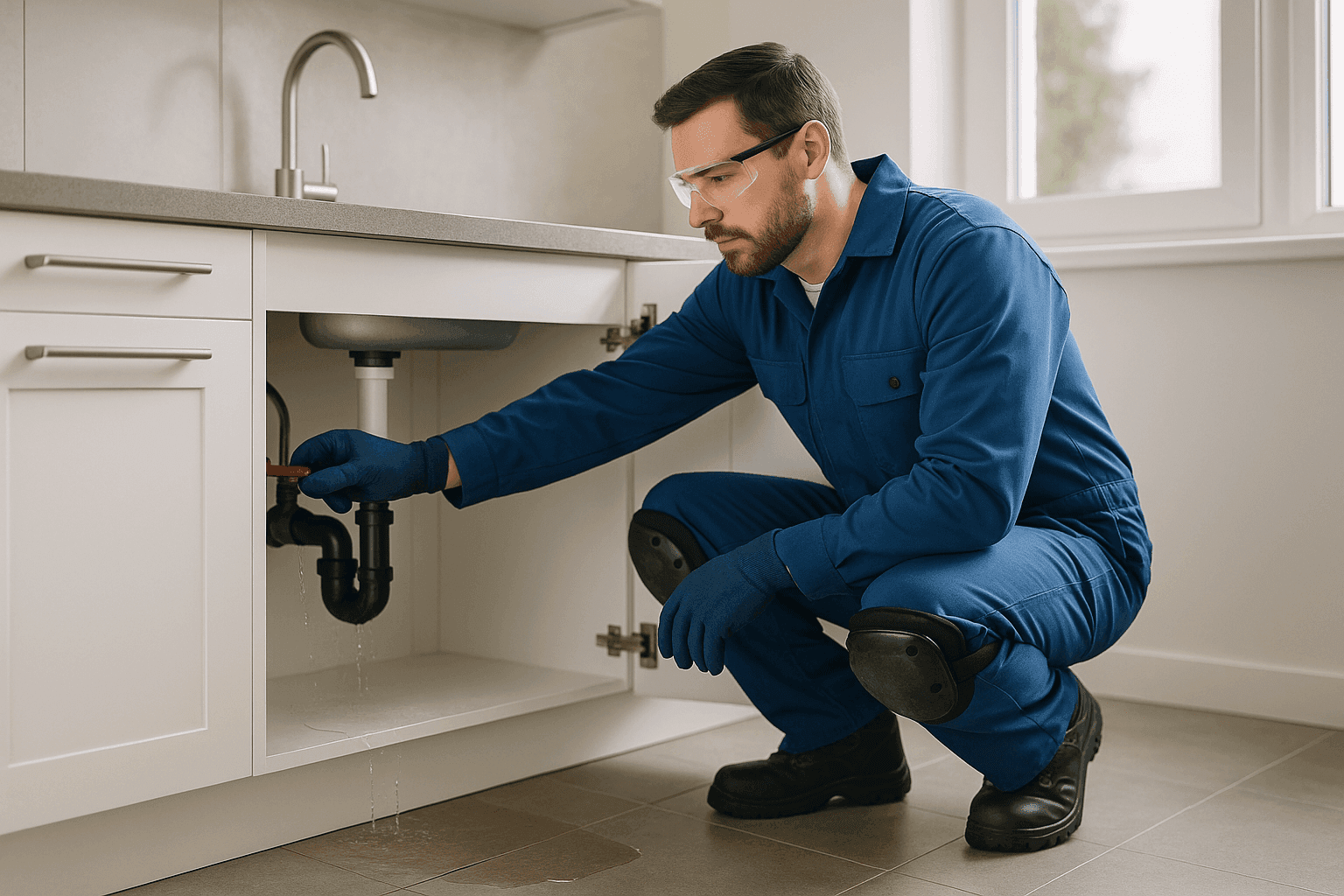
Emergencies don’t wait for a convenient moment. A burst pipe can turn your calm evening into chaos. Water rising, nerves fraying, and valuables at risk. We get it—when plumbing goes sideways, every second counts.
At Curtis Key Plumbing, we've seen it all. Homeowners facing soggy floors, cold showers, or a rogue toilet at midnight. This guide will show you how to take control in those first tense moments before emergency plumbing help arrives.
Recognizing a Plumbing Emergency 🚨
Not every drip is a disaster, but some situations demand fast action. Here’s when your quick thinking matters:
- Burst pipes: Water spraying or pooling rapidly
- Overflowing toilets: Water threatens to spill onto the floor
- Major leaks: Water heater, washing machine, or under-sink pipes
- Sewer backups: Foul smells or gurgling drains
- No water supply: Nothing comes out of the taps
- Gas smells near water heater or boiler: A possible gas line issue
If you spot any of these, it’s time to act. Emergencies move fast. Water can soak walls, warp floors, and damage cherished belongings in minutes.
If you’re unsure, err on the side of caution—what seems minor can escalate quickly.
Shutting Off Water and Utilities
First step: stop the flow. Like slamming a door on a storm. Here’s how:
Find Your Main Water Shutoff Valve
- Usually located where the water line enters your home—often in the basement, garage, or outside near the foundation.
- Turn the handle or lever clockwise until it stops. If it’s a round wheel, keep turning right (righty-tighty).
- If you can’t find it, check behind an access panel, near the water heater, or ask your plumber to show you during your next appointment.
Tip: Practice finding and turning off your main valve before an emergency. You don’t want to be hunting for it with water rising under your feet.
Turn Off Appliances and Electricity (If Safe)
- If water is leaking near electrical outlets, wiring, or appliances, switch off the power at your home’s breaker box—but only if you can reach it safely without stepping in water.
- Unplug nearby electronics. Electrical safety is paramount—water and power are a dangerous mix.
Minimizing Damage
Every minute saves money—and memories.
- Move rugs, furniture, electronics, and keepsakes away from the affected area.
- Place towels or buckets to catch drips.
- Open cabinet doors under sinks to help pipes stay warm (especially in winter).
- If safe, use a mop or wet/dry vacuum to remove standing water.
- For toilet overflows, don’t keep flushing. Shut off the water supply at the base of the toilet.
Take photos or videos of the damage. This can help with insurance claims later.
Safety Precautions to Prevent Injury or Hazards ⚠️
Water isn’t the only danger. Be alert for:
- Slippery floors: Move slowly to avoid falls.
- Hot water: Leaking water heaters can scald.
- Gas leaks: Smell rotten eggs? Leave immediately and call emergency services.
- Structural risks: If ceilings are bulging with water, stay clear—they could collapse.
Follow the guidance of the National Fire Protection Association and local building codes: never touch water near electrical outlets or appliances.
When to Call a Plumber
Some fixes are simple. Most aren’t.
Call Curtis Key Plumbing if:
- You can’t stop the leak or identify the source
- Water keeps flowing after turning off local shutoffs
- You notice sewer odors or slow drains in multiple fixtures
- Pipes have frozen, especially during winter cold snaps
- There are signs of gas near your plumbing system
Give details when you call: what’s leaking, where, and what steps you’ve taken. This helps your plumber arrive prepared.
Quick Safety Checklist
- [ ] Locate and turn off the main water valve
- [ ] Shut off electricity if water is near outlets (if safe)
- [ ] Move valuables, electronics, and pets away from affected areas
- [ ] Use towels, buckets, or a wet/dry vacuum to contain water
- [ ] Document damage for insurance
- [ ] Don’t attempt major repairs yourself
DIY or Call a Pro?
Some simple issues—like a clogged sink or slow drain—might be manageable with a plunger or drain snake. But with emergencies, it’s best not to play hero.
DIY May Be Okay If:
- It’s a single, slow drain and there’s no backup elsewhere
- The leak is minor and stops after shutting off the fixture’s valve
- You have safe access and the right tools
Call a Pro When:
- Water won’t stop, or you can’t find the source
- Sewage is involved
- There’s a risk of electrical shock
- You suspect frozen or burst pipes
Remember, plumbing systems are interconnected. A quick fix in one spot can mask bigger issues elsewhere.
What Pros Do On Arrival
When we arrive, here’s what you can expect:
- Assess the source and cause of the emergency
- Use industry-standard leak detection tools
- Secure the area and make temporary repairs if needed
- Advise on next steps, including pipe repair, replacement, or cleanup
- Follow plumbing code and safety standards (like those from the International Plumbing Code and local regulations)
Professional plumbers bring experience and specialized equipment—thermal cameras, pipe locators, and heavy-duty pumps—to handle emergencies safely.
Prevention & Maintenance
The best emergency is the one that never happens. Here’s how to lower your risk:
- Schedule annual inspections—look for corrosion, leaks, and signs of wear
- Insulate pipes before winter to prevent freezing
- Don’t flush wipes, grease, or hygiene products down toilets or drains
- Test your sump pump before heavy rain or spring thaw
- Install water leak detectors and automatic shutoff valves
Small habits make a big difference. Prevention is your strongest shield against disaster.
Costs & Time Factors
Every emergency is unique. Factors that affect repair time and cost include:
- Severity and location of the leak or break
- Accessibility (under floors, behind walls, outdoors)
- Parts or materials needed for repair or replacement
- Time of day or holiday (after-hours calls may cost more)
- Extent of water damage to your home
Typical calls may range from an hour for a simple fix to several hours for major pipe repair or sewer line work. We’ll always explain your options before getting started.
When It’s an Emergency
If you’re not sure, ask yourself:
- Is water spreading fast?
- Is there a risk of structural or electrical damage?
- Are sewage or gas lines involved?
- Is anyone’s health or safety at risk?
If you answer yes to any of these, treat it as an emergency. Quick action—shutting off water, moving valuables, calling for help—can save you thousands in repairs and weeks of hassle.
FAQ
Q: How do I find my main water shutoff valve?
A: Look where the main water line enters your home. Basement, near the water heater, or outside by the foundation are common spots. Ask your plumber to show you during your next visit.
Q: What should I do if my pipes freeze?
A: Shut off the main valve. Don’t use open flames. Open cabinets to help warm air circulate. Call a plumber for pipe repair near you, especially if you suspect a burst.
Q: Do I need to call my insurance company right away?
A: Document the damage with photos or video. Save receipts for repairs. Contact your insurer as soon as possible—they may need proof of the emergency and repairs.
Q: Can I use my plumbing after a leak is fixed?
A: Wait until a professional gives the all-clear. Using your water system too soon may worsen hidden damage.
Local/Seasonal Considerations ❄️
Winter brings unique risks—frozen pipes can burst and cause massive water damage. Insulate exposed pipes and keep a trickle running during severe cold snaps.
During the holidays, plumbing systems see extra use. Be careful about what goes down the drain, and schedule preventative maintenance before guests arrive.
Storm season? Make sure your sump pump is working. Heavy rain can overwhelm drains and cause sewer backups.
Final Thoughts
Plumbing emergencies are never planned. But with these steps, you can protect your home, your family, and your peace of mind.
Call Curtis Key Plumbing now — or reach us anytime at 888-890-1791 .