How to Detect and Fix Hidden Plumbing Leaks Before They Cause Damage
Hidden plumbing leaks are like silent troublemakers. They creep in quietly, often going unnoticed until water stains bloom on the ceiling, a musty smell lingers, or your water bill jumps for no clear reason. By the time you spot the signs, the damage can be done—sometimes to your home, sometimes to your peace of mind.
At Curtis Key Plumbing, we’ve seen firsthand how quickly a small, hidden leak can turn into a big, expensive headache. Whether you’re a homeowner or a small business owner, knowing what to look for can help you catch leaks early, protect your property, and save money.
What Hidden Plumbing Leaks Really Look Like
Plumbing leaks aren’t always a dramatic gush of water. Often, they’re sneaky—dripping behind walls, seeping under floors, or trickling through ceilings. The signs are subtle at first, but they add up. Here’s what to watch for:
- Unexplained spikes in your water bill: If your usage habits haven’t changed but your bill has, water might be escaping somewhere it shouldn’t.
- Damp, discolored, or warped spots: Walls, ceilings, and floors that feel soft or look stained can be a red flag.
- Mold or mildew smells: Water trapped in hidden spaces breeds mold. If you smell earthiness or must, investigate.
- Peeling paint or wallpaper: Moisture behind surfaces causes bubbling, peeling, or cracking.
- Unusual sounds: Hissing, dripping, or running water when everything’s shut off is a clue.
- Low water pressure: A leak can rob your fixtures of pressure, making showers or sinks sluggish.
Leaks can be small as a pinhole in a pipe or as big as a cracked fitting under your sink. The damage, though, can be just as serious.
Quick Safety Checklist Before You Start 🛑
Water leaks can lead to electrical hazards, mold, and even structural damage. Before you start poking around, keep safety in mind:
- Turn off electricity if you suspect water near outlets or wiring.
- Wear rubber-soled shoes in wet areas.
- Don’t open up walls or ceilings unless you’re sure there’s no electrical wiring.
- Stop water at the main shutoff if you find a major leak.
- Ventilate any area with visible mold—don’t breathe it in.
- Call a professional if you’re ever unsure.
Your safety comes first. If something feels risky, step back and get help.
DIY Leak Detection: What You Can Check
Some leaks are easy to spot. Others play hide-and-seek. Here’s how you can be your own detective:
Check Your Water Meter
- Turn off all water-using appliances and fixtures.
- Find your water meter and note the reading.
- Wait two hours (don’t use any water).
- Check the meter again. If it’s moved, you’ve got a leak somewhere.
Inspect Exposed Pipes
- Look under sinks, in basements, and behind toilets.
- Feel for moisture, corrosion, or mineral buildup.
Test Toilets
- Put a few drops of food coloring in the tank.
- Wait 30 minutes. If color appears in the bowl, the flapper is leaking.
Listen and Look
- Walk through your home or business when it’s quiet.
- Listen for faint dripping or running water.
- Look for small puddles, damp cabinets, or rusty spots.
If you spot anything suspicious, jot it down. The more details, the easier it is to pinpoint the problem.
When to Call a Professional
DIY checks can only go so far. Some leaks hide deep in walls, under slabs, or in hard-to-reach pipes. That’s when it’s time to call in the pros—especially if:
- You can’t find the source but the signs persist.
- There’s visible mold or water damage.
- The leak is near electrical outlets or panels.
- Water is pooling quickly, or you’ve lost water pressure entirely.
At Curtis Key Plumbing, our licensed technicians use specialized tools to track down leaks without tearing up your property.
What the Pros Do When They Arrive
When you call for professional help, here’s what you can expect:
Advanced Leak Detection Tools
- Thermal Imaging Cameras: Detect temperature differences that reveal hidden moisture.
- Acoustic Sensors: Listen for the faint sound of water escaping from pipes.
- Moisture Meters: Measure how much water is in walls, floors, or ceilings.
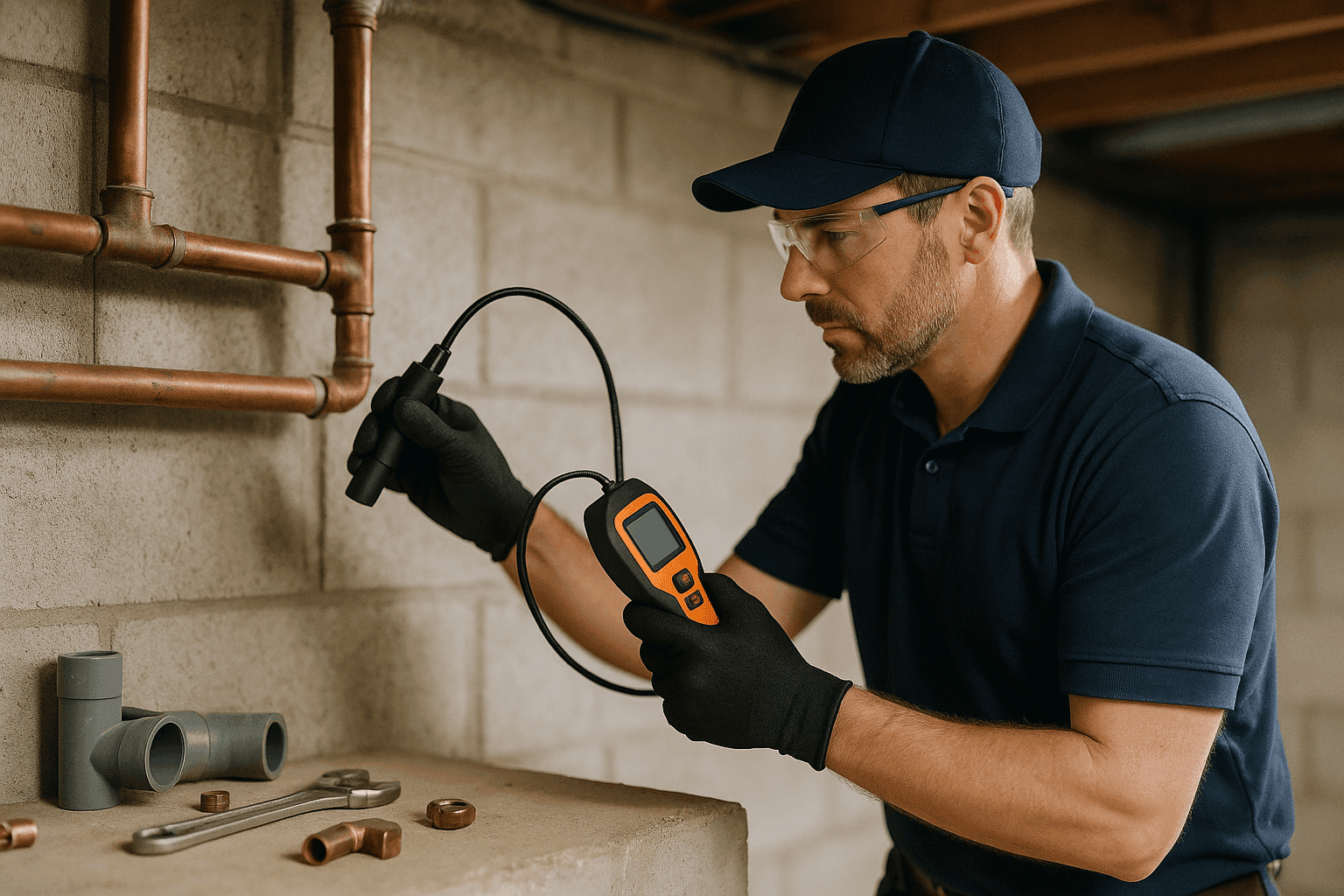
- Video Pipe Inspection: Tiny cameras snake through pipes to spot cracks, corrosion, or blockages.
These tools help us find leaks quickly, with minimal disruption. The process is a bit like using a metal detector on a beach—searching for what’s hidden beneath the surface.
Safe and Effective Repairs
Depending on the leak’s location and severity, repairs might include:
- Pipe patching or replacement
- Tightening or resealing fittings
- Replacing faulty valves, flappers, or fixtures
- Drying and treating affected areas to prevent mold
We always follow local plumbing codes and safety guidelines, such as those from the International Plumbing Code (IPC) and the Occupational Safety and Health Administration (OSHA).
Prevention & Maintenance: Keeping Leaks at Bay
The best way to handle leaks? Stop them before they start. Here’s how:
- Schedule routine inspections: Have your plumbing checked at least once a year, especially if your property is older.
- Check for corrosion: Pipes with rust or greenish stains are more likely to fail.
- Insulate pipes before cold weather: Freezing temperatures turn water into ice, which expands and cracks pipes.
- Test water pressure: High pressure strains pipes and joints. Install a pressure regulator if needed.
- Replace worn washers and seals in faucets and toilets.
- Install water leak sensors in high-risk areas like basements and under sinks.
Regular maintenance is like brushing your teeth—it prevents bigger problems down the road.
Costs & Time Factors: What to Expect
Every leak is different. Some fixes take minutes, others require more time and expertise. Here’s a general idea:
- Simple fixes (tightening a fitting, replacing a washer): Can often be done in under an hour.
- Hidden leaks (inside walls, under floors): May take several hours to locate and repair.
- Extensive water damage: Might require drying, mold remediation, and structural repairs—adding days to the process.
Costs depend on the leak’s location, the materials involved, and the time required. Emergency plumbing services can cost more for after-hours calls or urgent repairs. The sooner you act, the less you’ll likely spend.
When It’s an Emergency 🚨
Some leaks can wait for regular business hours. Others need immediate attention:
- Burst pipes spraying water
- Sewage backing up into your property
- Water leaking near electrical panels
- Major flooding in basements or crawlspaces
If you face any of these, shut off your water at the main valve and call Curtis Key Plumbing for emergency plumbing help right away.
Leaks can also get worse during storms or sudden freezes. If you know bad weather is coming, check your pipes and fixtures beforehand.
FAQ: Hidden Plumbing Leaks
How do I know if a leak is behind a wall?
Look for dampness, stains, peeling paint, or a musty smell along the wall. If you hear water running when everything is off, that’s another clue. Professionals can use thermal imaging or moisture meters to confirm.
Can a small leak really cause big problems?
Absolutely. Even a slow drip can rot wood, grow mold, and damage drywall over time. It’s like a leaky roof—ignore it, and the damage spreads.
Should I try to fix a leak myself?
You can tackle simple leaks, like a dripping faucet or a loose fitting. But if the source is hidden, near electrical wiring, or causing major water loss, it’s safer to call a licensed plumber.
How often should I have my plumbing checked?
Once a year is a good rule of thumb, especially for older properties or if you’ve had leaks before. Regular maintenance catches issues early.
Special Considerations for Leak Detection and Repair
- Older plumbing systems are more prone to leaks due to corrosion or worn-out joints.
- Properties with basements or crawlspaces need extra vigilance, as leaks can hide out of sight.
- Businesses with public restrooms or kitchens should schedule frequent checks—leaks can disrupt operations and lead to health code violations.
- Seasonal changes (like freezes or heavy rains) put extra strain on pipes. Prepare in advance with insulation and inspections.
- Water filtration systems, backflow prevention, and pressure regulators can help protect your pipes and fixtures from damage.
Always follow manufacturer guidelines and local plumbing codes for any repairs or upgrades.
Hidden leaks don’t have to be a mystery—or a disaster. With a sharp eye, regular checks, and help from Curtis Key Plumbing, you can keep your property safe, dry, and running smoothly.
Call Curtis Key Plumbing now — or reach us anytime at 888-890-1791 .